About us – Sticks & Stones

Archive

Category Archives for "About us"

A Season of Change

As I sit here writing this, another Michigan nursery season is coming to an end. The days are getting shorter, the temperatures are dropping, and the leaves that were so beautiful just a few weeks ago are now finding their way into piles on the ground. Soon enough, the snow will arrive, and another season will be behind us.

I've written before about how much I enjoy all four seasons Michigan has to offer. Yes, even winter. Each season brings something different, something to look forward to. And, perhaps most importantly, each season reminds us that change is inevitable.

This year, that thought seems a little more meaningful.

After 32 years with Christensen's Plant Center, Kim Roth is retiring.

Thirty-two years. Think about that for a moment.

When Kim started at Christensen's in 1994, the nursery industry was a very different place. Cell phones were far from commonplace, the internet was in its infancy, and most of our business was conducted with paper, pencils, telephones, and a whole lot of personal relationships.

Okay, maybe some of us are still using paper and pencils.

Over those 32 years, Kim has watched Christensen's grow and evolve. She's seen employees come and go, customers start businesses and retire and an entire industry change around her. Through all those changes, Kim has been a part of what makes Christensen's the company it is today.

I wrote an article last year about milestones, about how we celebrate the years our company has been in business but sometimes overlook the milestones of the people who make those years possible.

Kim's retirement is one of those milestones.

Thirty-two years of showing up. Thirty-two years of working alongside friends and coworkers. Thirty-two years of being part of the lives of our customers and our Christensen's family.

And while we are all happy for Kim as she begins this next chapter of her life, I would be lying if I said she won't be missed.

But isn't that the nature of change?

The nursery industry is experiencing its own season of change. The way we do business continues to evolve. Technology changes how we communicate, how we purchase material, and how we serve our customers. New generations are entering the industry bringing fresh ideas and different approaches to problems that have been around for decades. At the same time, many of the people who helped build this industry into what it is today are beginning to enjoy their well-earned retirement.

And that isn't necessarily a bad thing.

Change brings opportunities to learn, to improve, and to find new ways of doing the things we've always done. But it also gives us an opportunity to appreciate the people and traditions that brought us to where we are today.

I've spent more than 30 years working at Christensen's myself. And one thing I've come to appreciate more with each passing year is that our business isn't really about plants, pavers, or retaining walls.

It's about people. The people who grow our plants. The people who deliver our materials. The people who work in our yards and offices. And all of you, our customers, who come through our gates year after year.

Those relationships are what have allowed Christensen's to celebrate 95 years in business. Not the trees, not the equipment, and certainly not the computers.

The people.

As we prepare to close out our 95th season, I find myself reflecting on just how fortunate we are to work in an industry filled with hardworking, dedicated people, to have customers who have become friends and to have employees like Kim, who have dedicated such a large part of their lives to making Christensen's successful.

Kim, thank you for those 32 years. Thank you for moving our perennial department from almost nothing to what it is today. We could not have done it without you. Thank you for your dedication, your friendship, and for being part of the Christensen's team for so long. I hope retirement brings you many wonderful adventures, new experiences, and the opportunity to enjoy all those things that our busy nursery seasons sometimes keep us from doing. Maybe you’ll have time to stop by to show off your grandbabies to catch up?

You've certainly earned the time to enjoy.

To our customers and friends, thank you for another wonderful season. As always, your continued support and friendship mean more to us than I can adequately express.

Winter will soon settle in. The yard will grow quieter, the trucks will slow down, and we'll all have a little time to reflect on the year behind us.

But before we know it, the snow will melt, the days will grow longer, and those first trucks loaded with freshly dug trees will begin arriving at Christensen's once again.

Some things will be different. Some familiar faces will be missing. New faces will take their place, and new opportunities will present themselves.

Some things will remain exactly the same. We'll open the gates, welcome back our friends, and get to work doing what we've done for 95 years.

After all, that's the wonderful thing about seasons.

They change. And they always bring something new.

Have a safe and wonderful holiday season, my friends. I look forward to seeing all of you in the spring!

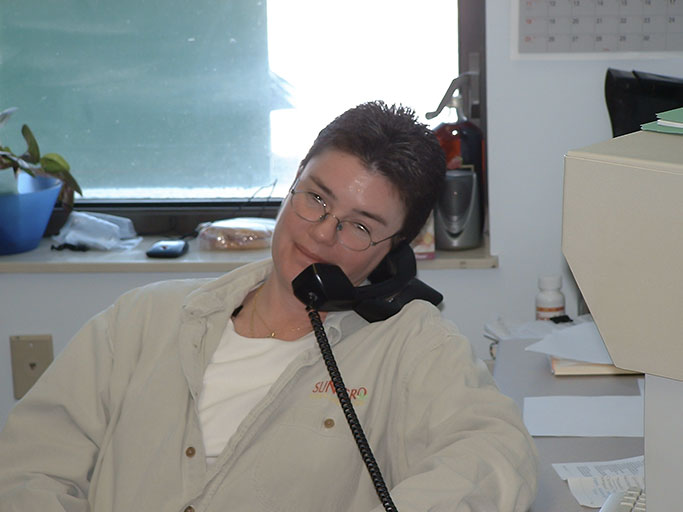
Kim’s Fond Farewell

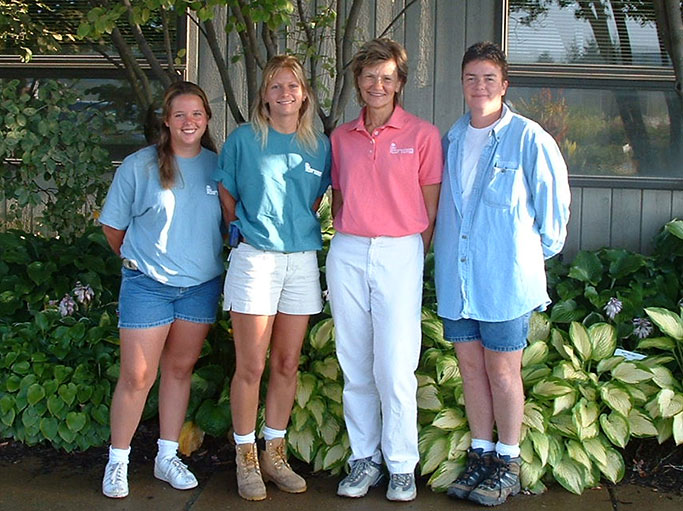
This is my final article and I want to take the opportunity to say goodbye. At the end of this season, I will retire. I wanted to make sure everyone knows - it has been 33 seasons of enjoyment!

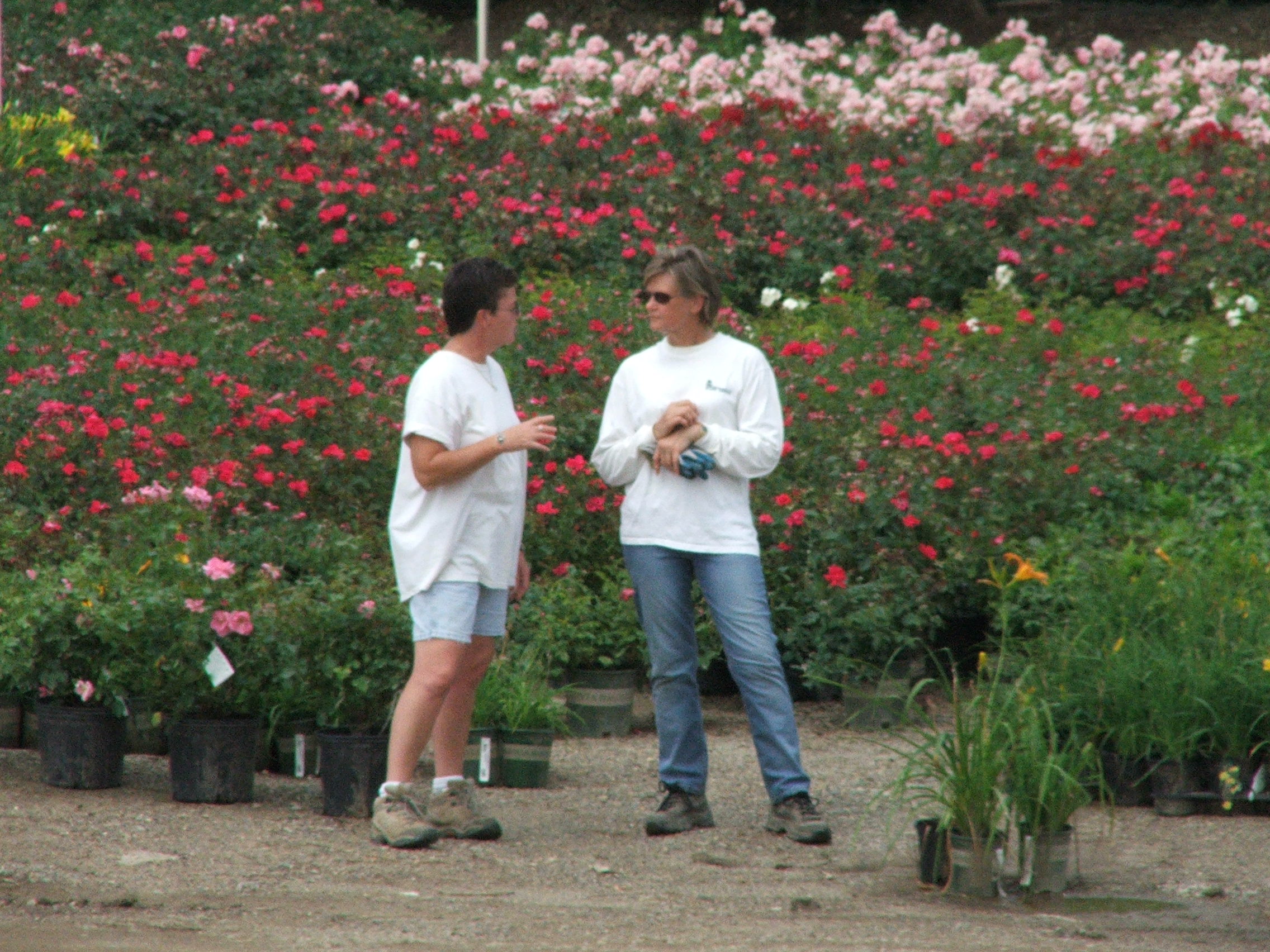
Kim at Work

2004

2005

There is a lot I will miss. I will miss our customers and vendors, many of which I have a personal relationship with. I will miss being at the nursery early in the morning when all is quiet and beautiful. I will miss the egrets, herons and even the ducks and geese nesting in nursery pots filled with plants. I will not miss the blackbird parents!!

2003

I must admit that it is my fellow staff I will miss the most. They are all a big part of my life, and it is hard to let that go. I am grateful to have had the opportunity to work with all of you. Many of you have nearly as many years here as I do. There were graduations, birthdays and Quinceañera celebrations. I have seen fellow employees get married and have kids and then I got the opportunity to work beside their children! My own son grew up, worked at the nursery, got married and now I am a grandma! How do you say goodbye to all of that?! 

2017

I do want to give a special shoutout to Timothy Joy. THANKS!! I appreciate the great offer you made to me 32+ years ago. I appreciate all the knowledge you shared and your help growing into this job!  I will miss pruning bare-root roses with you! I will miss Penny’s cake and the fall apple bounty! We don’t get to see you often anymore and I already miss your good morning knocks on my wall.

2021

I have worked many jobs here at the nursery. When I first started, I was assigned to the newly founded perennial department. Believe it or not, we would pot perennials in the spring and when they sold out, we were out! Lately I have been a shrub buyer. Learning the shrubs was like a whole new job to me and a tough one! I look at retirement as a new job! Hopefully it will be easier than this one!

Thank you for a great 33 seasons! I will miss you all and think about you often. Will you ever see me at the nursery? Absolutely! This job taught me to like plants so I will be back to pick up some new ones! I hope they will still sell to me!

Updated Michigan Restricted Species List

As we start slowing down into the fall season and get ready for winter, there was news from the Michigan Commission of Agriculture and Rural Development that needs consideration for next season. As you may have heard, they added several species to the Restricted Species list. This means that, effective January 1, 2028, it will be unlawful to introduce, import, sell, possess with intent to distribute, or intentionally propagate these species in Michigan. While Christensen’s can continue to obtain these plants for our customers in 2027, they will no longer be “stocking items”.

Even with this year of reprieve, Christensen’s suggests that our customers consider what can be used to replace the invasive plants because come 2028, they will no longer be sold or allowed to be imported into Michigan. 

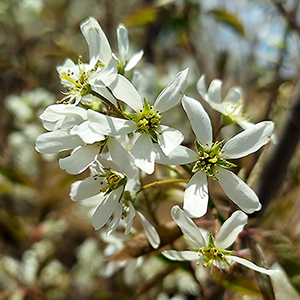
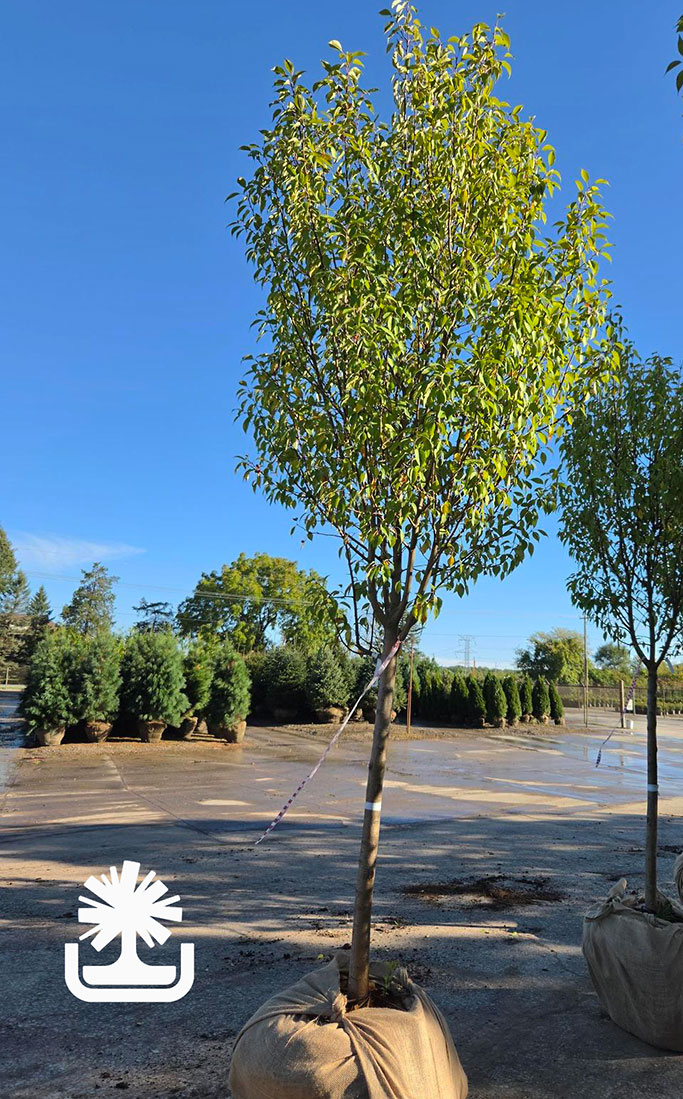
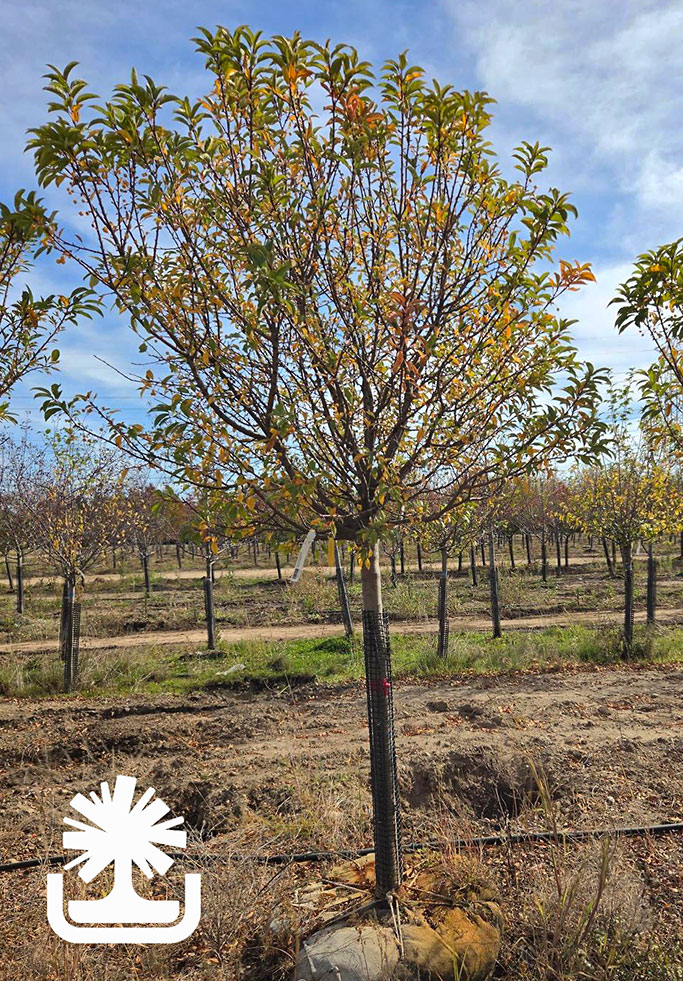
The first to discuss is the Callery Pear (Pyrus calleryana), i.e. Cleveland and Bradford Pear.  All of us know of the white flowers in the spring, so consider Amelanchier ‘Cumulus’ as a suitable sub. Amelanchier ‘Cumulus’ has white flowers at roughly the same time as Callery Pear. However, the flowers do not have the putrid smell of the pear and the branches tend to point upward giving it an upward look.  Amelanchier produce fall fruit, Juneberries, that tend to have birds eating them. The leaves start off green and turn orange and scarlet in the fall.

Amelanchier flower

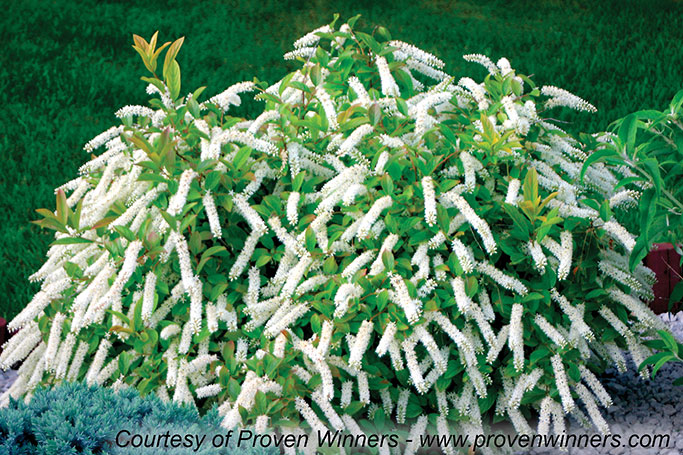
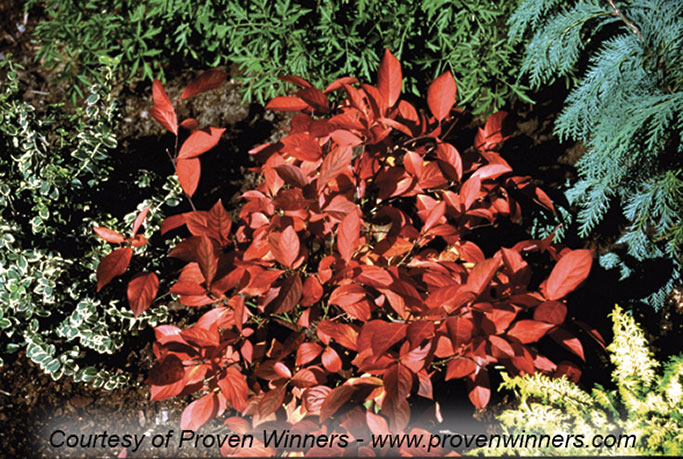
Next let's look at the ever-changing Japanese Barberry (Berberis thunbergii). While there have been changes over the years producing sterile or non-seeding varieties, the way the Michigan law was written, they are still included on the restricted list. Varieties of Japanese Barberry currently found at Christensen's include: 'Crimson Pygmy', 'Rose Glow', 'Orange Rocket' and the Sunjoy® Series. So, what can we use to sub for them? Any of the Iteas would be appropriate. Christensen’s has carried these for a long time, but they are under-utilized. Itea are a smaller plant, roughly 3' to 5' tall, with arching branches downward and white fragrant flowers. The leaves will start green then turn bright red or burgundy as fall approaches.

Itea Little Henry®

Flowering                                                                         Fall Color

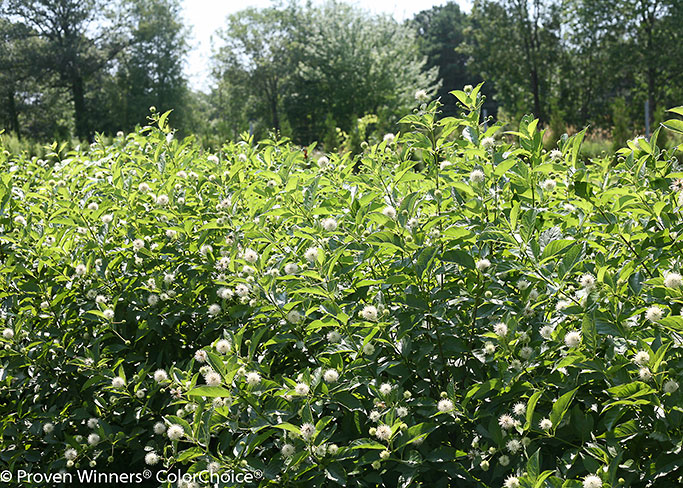
Last on our list is Buckthorn. Both glossy buckthorn and common buckthorn were added to the restricted list. However, of these, Christensen’s has only carried Rhamnus 'Fineline' in recent years. Yes, it is different than what we all know as the scrub tree. But it is still in the same species. Cephalanthus occidentalis, buttonbush, is a great alternative.  Buttonbush has a round, white/cream-colored flower that looks like a ball. This is also a great plant for both pollinators and songbirds to feast on later in the fall and winter months.

Cephalanthus Sugar Shack®

As we navigate 2027 with these newly restricted plants, don’t hesitate to discuss your projects with one of the sales staff at Christensen’s. If the alternatives listed above don’t work into your plans, they can help you find other options.

Christensen’s Peony Program

When I first started here at Christensen’s 14 years ago, we did a TON of our own production. We planted perennials, roses, and even hydrangeas. This huge potting schedule came with a part-time potting crew and lots of maintenance. As the years went on, and staff totals changed, so did our production load. Now we still plant perennials in spring and complete some up-canning (moving plants to bigger pots) around the nursery throughout the season.

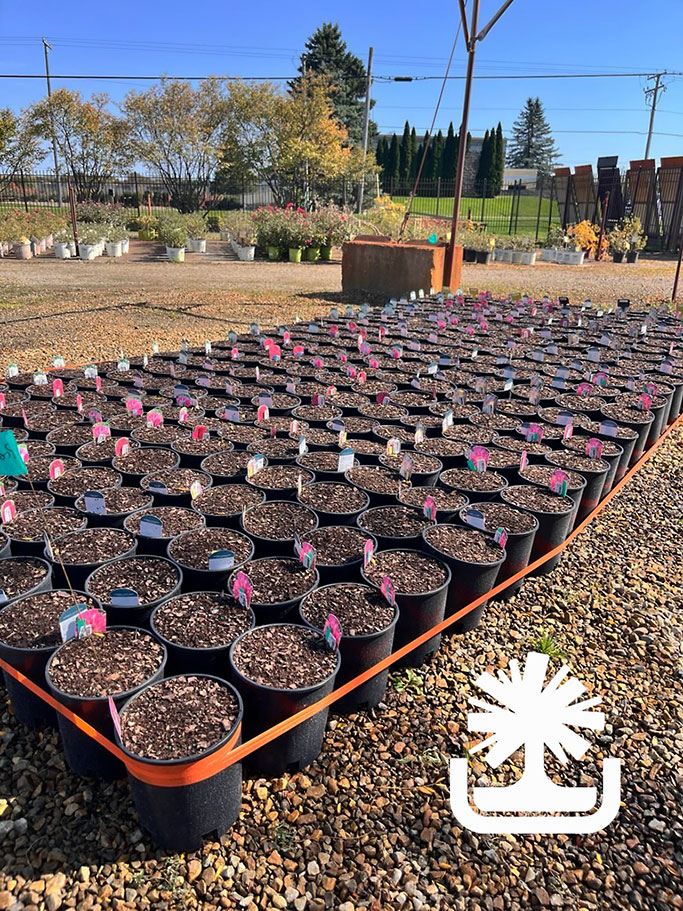
One production item that has stayed consistent from my first season until this one is the fall potting of herbaceous peony (Paeonia). Every September, we receive bare root peony that's potted for the following summer.

We pot peony in-house for a variety of reasons. First, we do a great job! (in my humble opinion) We get high quality, 3-5 eye bare root varieties, in colors ranging from red, purple and white. They are potted in September, providing them a little heat to root out a bit before going to sleep. 

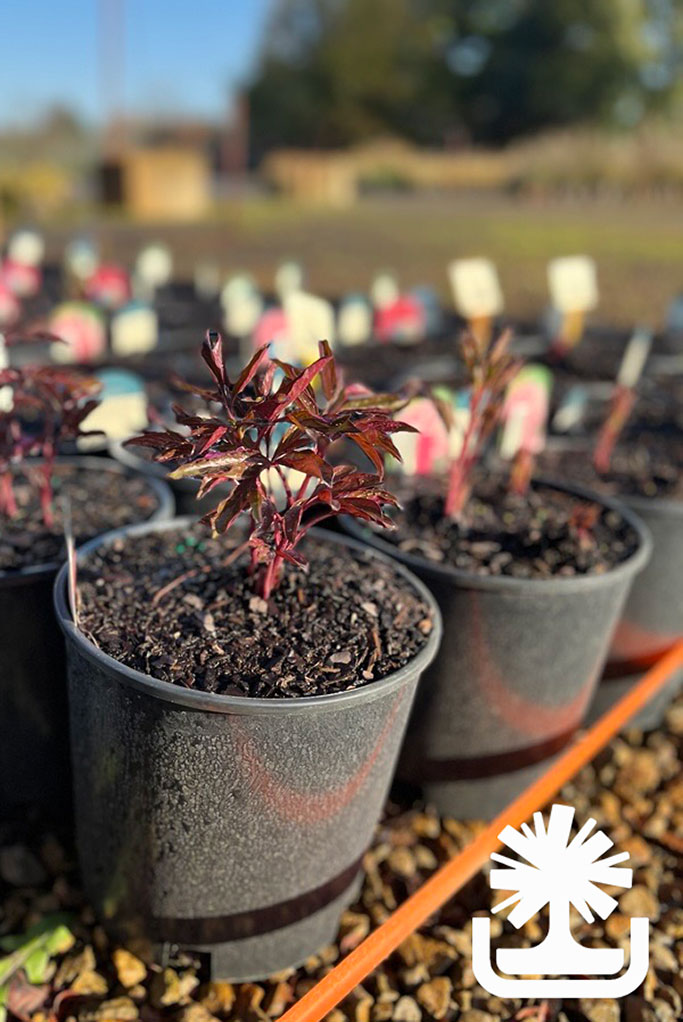
Freshly potted, bare-root peony, soaking up the warmth of early fall.

A blanket and sheet of poly will be added on the top when temperatures drop and the nursery is "covered" for the winter.

The peonies are kept outside all winter, arranged pot-to-pot under a blanket and a piece of poly. In the spring, the peonies are the first plants to be cut open and spaced. This cycle, and keeping them outside, allows them to wake up as they naturally would in a Michigan spring. If over-wintered in a house, the heat would push them too early, making them weak and fragile. Come summer, we end up with a full, budded peony!

                                                      Peonies waking up

Another key reason to pot them ourselves is to keep the cost down for you, our customers. A finished peony on the open market costs a pretty penny. Potting them ourselves keeps the costs reasonable for us, and in turn for you!!

Christensen’s Peony Program is just another way we are working to give you the best product, at the most reasonable price! We hope that you enjoy our labor of love each and every spring/summer! Check out our peony availability come summer! If you are looking for a special variety, please check with your salesperson.

Website Tour

The staff at Christensen's strives to provide you with the tools and the high-quality materials that you require to effectively run your business.

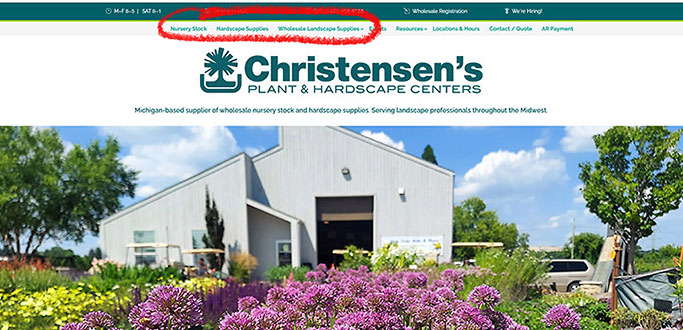
One of those tools is our website, www.ChristensensPlantCenter.com

Many of you regularly visit our website to check available inventory. You're probably familiar with the Nursery Stock and Hardscape Supplies pages. You may even explore the list of brands we carry under Wholesale Landscape Supplies (Pond Supplies, Landscape Lighting, Bulk Landscape Supplies, Hardgoods).

This week, we're encouraging you to explore the additional information you can find, along with the business tasks you can complete, on other parts of the website.

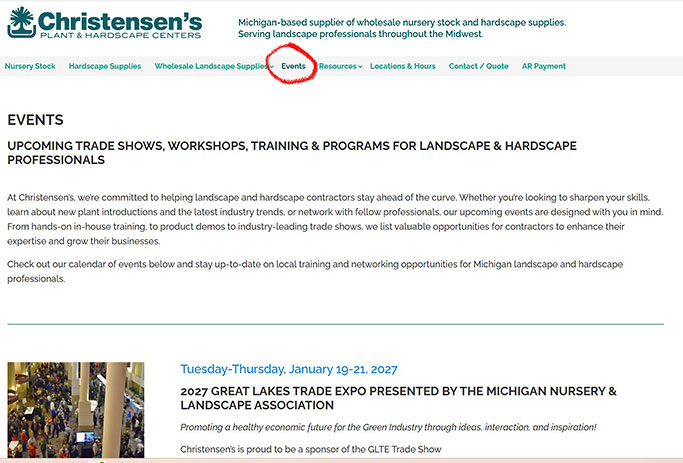
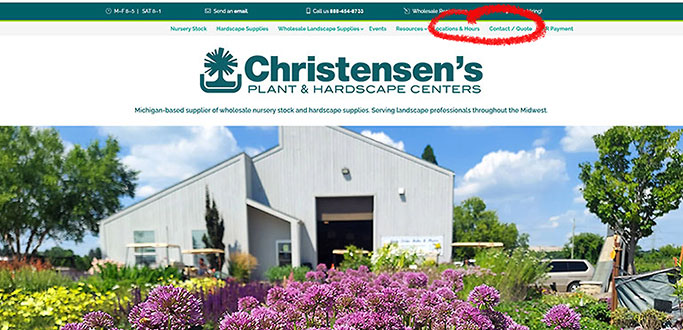
From left to right along the top banner, the next choice is the Events Page. Here you'll find a list of upcoming events that Christensen's is either hosting or trade shows that we'll be present at. You'll find dates, event information and links to the event page. What happened to 2026? Events for 2027 are creeping up quick!

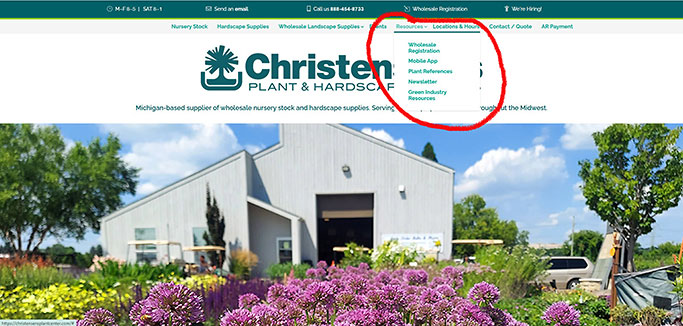
Next along the top banner is the Resources drop down.

Most of you receiving these articles would have already filled out the Whole Registration form. But that top menu option in the drop down links to a page explaining the requirements to shop at Christensen's and includes a link to a fillable PDF of the registration form. We love fillable PDFs... no one has to read our terrible handwriting!

Then there is an information page about Christensen's Mobile App. Even when Christensen's hours are limited, the website and app are always open. The app includes much of the same information as the website. But the app is even more cell phone friendly. 

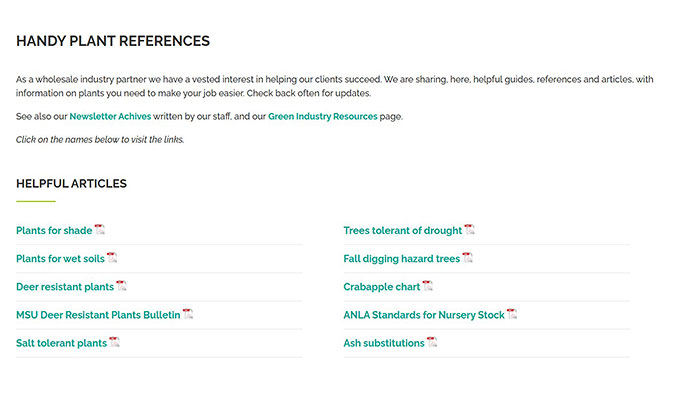
The Handy Plant References page was the catalyst for this article. Even employees use these articles to remind us which plants are salt tolerant or which trees are on the fall digging hazard list. We suggest familiarizing yourself with this page so that you can refer back to it regularly. These lists are a great resource over the winter as you plan for spring projects!

The Green Industry Resources page has a list of website links to valuable resources for anyone in the green industry. Sources range from MSU Extension to industry organizations like MNLA. 

Location & Hours is pretty self-explanatory. Contact/Quote will link you to our sales staff. There are even pictures if you aren't sure who you worked with and need a face refresher;) 

The last stop on our tour is the AR Payment page. Customers with established credit terms can conveniently pay their accounts online. This feature does require a login. If you need more information, the contact information for the administration office is included.

ChristensensPlantCenter.com is here to serve you 24/7, 365. Please let our sales staff know if there are additional resources you would like to see on our website or if you are having trouble locating information.

Trees for Smaller Spaces

As we get started into the “Fall” months, let’s start to think about what we could use for next year in some of those future projects. Narrow, compact landscapes can present a design challenge. However, there are other options outside of a standard arborvitae or juniper.

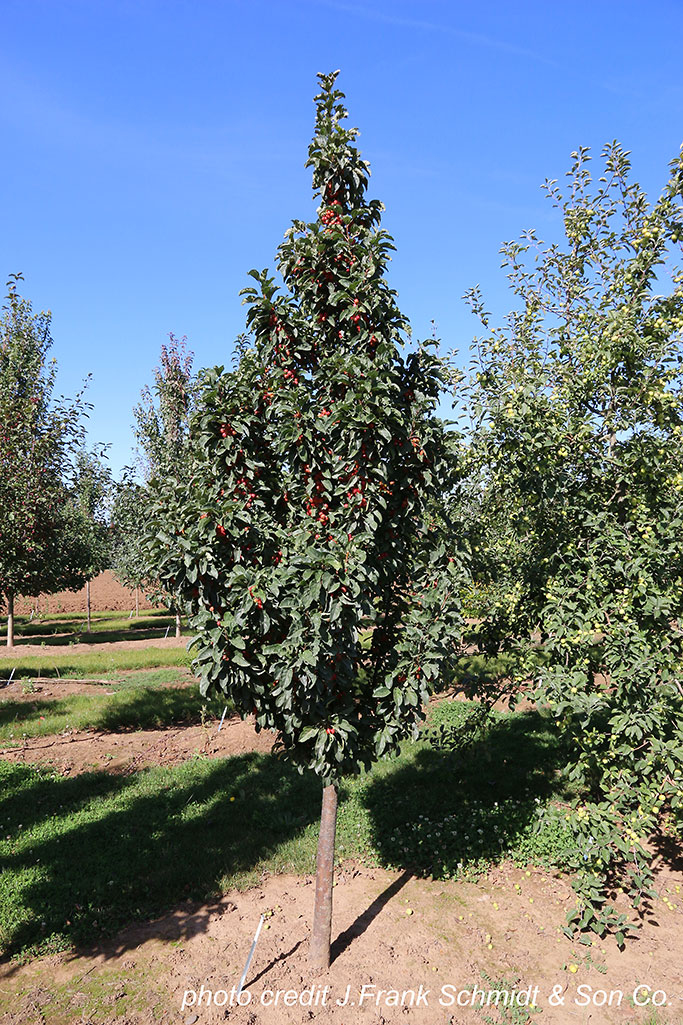
Starlite®, Ivory Spear® and Sparkling Sprite® are ornamental crabapples (Malus). While Sparkling Sprite® is a small, round tree, both Starlite® and Ivory Spear® are very upright.

Starlite® (Malus x ‘Jeflife’) is a white-flowering crabapple. Described as a small-to-medium tree, roughly 15–20 feet tall and wide. Its spring flowers are white; small red fruit may follow, adding seasonal interest.

Ivory Spear® (Malus ‘JFS KW214MX’) has very tight and upright ascending branches that help to maintain its narrow form.  It is known to be 18 feet tall by 7 feet wide; spring brings red color buds that turn into white blooms.

Sparkling Sprite® (Malus ‘JFS-KW207) is a compact crabapple suited to smaller gardens and tight planting spaces. It is commonly described as reaching about 10–12 feet tall and wide, though mature size can vary with climate and care. Its white flowers open from pink buds, giving the spring display a soft, two-tone effect. Its compact habit is one reason it is considered for sites where a larger crabapple would be impractical.

Both of these crabapple trees can be used as a pollinator for customers wanting a fruiting apple tree.

Christensen's has both Starlite® and Sparkling Sprite® in stock and ready for current projects. Or, as you plan for spring 2027, contact our customer service staff to learn how you can put them on order. 

Reference: The Tree Book by Michael Dirr and Keith Warren

Planting Bulbs


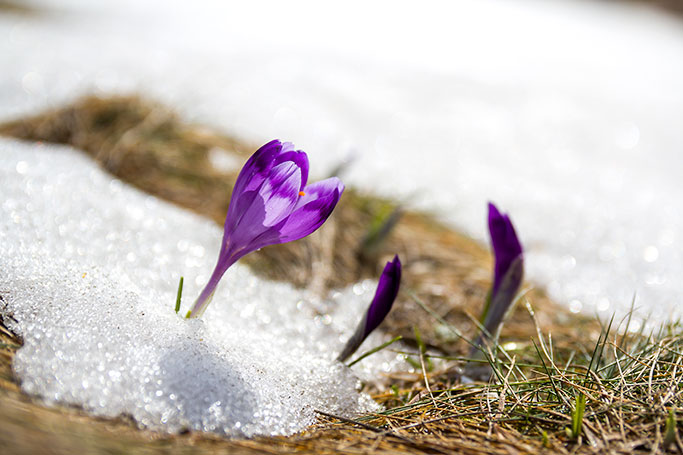
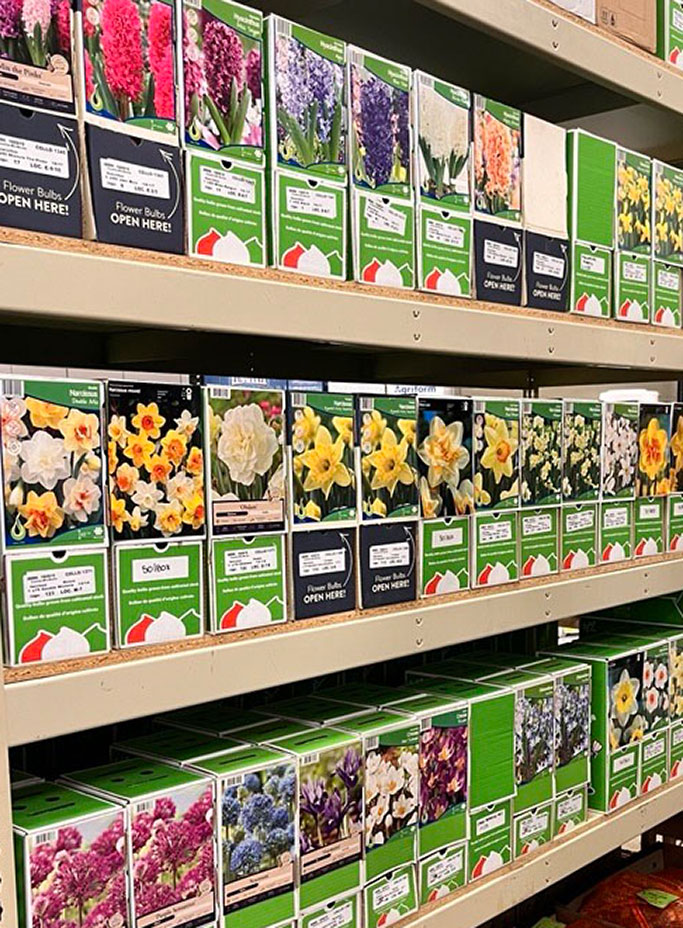
It's hard to think about spring during fall planting. But some of Mother Nature's first, and arguably most beautiful, specimens require us to think ahead. Somewhere between fall cleanup and putting the blade on the snow truck, our focus turns to these tiny miracles: BULBS.

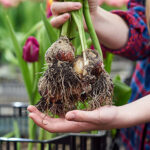
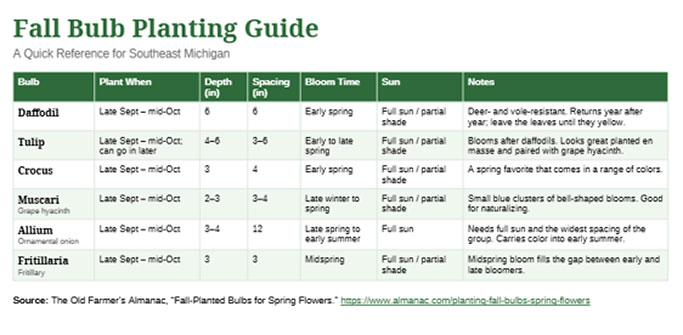
Where do you come in? So glad you asked! There are some tips, tricks and helpful products when it comes to installing bulbs and boosting your yield. But, without human hands and a mindful eye on timing, these little guys would wither in their boxes or rot underground before ever getting the chance to bloom. The planting window matters: get them in the ground once nighttime temps settle into the 40s, roughly six weeks before the soil freezes. Bulbs need a snooze called cold stratification to bloom in the spring. And some varieties like longer naps than others. Daffodils like to get a head start, so tuck them in first. Tulips prefer to bed down a bit later in the fall.

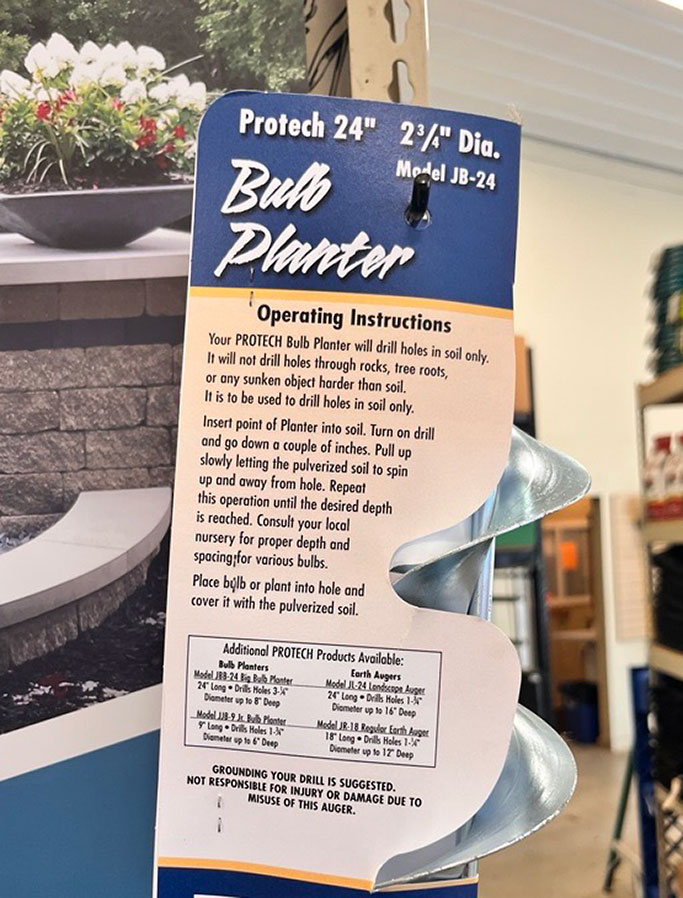
What's next? It may sound obvious, but picking the right spot is key. After you determine your area has enough sun and good drainage for the soil, you'll want to dig a hole about 3x as deep as the bulb is tall. If you are planting in mass, an automatic auger is a lifesaver. For the love of God, do not forget the Bulb-Tone®! Place the bulbs with the whiskers down and the point up. Cover with soil and pat down gently. After you water it well, simply let them nap until spring does its thing.

The supplies you need for planting bulbs are available at Christensen's

Now that you have the basics, let's talk pro tips.

  • Plant in odd numbers or in clusters, rather than in rows. It will look more organic and impactful when they bloom.
  • Add a layer of mulch after planting to help regulate the soil temps and deter squirrels from digging up the bulbs.
  • If there is a known varmint issue, mix in a bit of chicken grit or gravel to keep them from digging without harming the plants. You can also grate Irish Spring soap or spray diluted Downy in the areas to keep critters from munching on the leaves.
  • We want to keep that foliage long after it blooms, until it turns yellow and dies back naturally. That's how the bulb recharges for next year.
  • Bigger bulbs generally mean bigger blooms, so they are worth a little more money.
  • Label where you planted so they aren't accidentally dug up in the spring before the flowers emerge.

Where do we go from here? Straight to Christensens to pick out your bulbs, of course! Our knowledgeable staff can help you choose varieties and products to turn these tiny miracles into a full-on magic show come spring.

Early Order Burlap and Tree Stakes

Planning Ahead: Christensen’s Early Order Program Is Expanding

Every year, the Bulb Early Order Program gives Christensen's customers an opportunity to save a little while helping us plan ahead for the season.

When orders are submitted by the early order deadline, customers receive a small discount, and we get a better idea of what we need to have on hand when the season arrives. It’s a simple approach that helps everyone plan with a little more confidence.

This year, we’re expanding that same idea beyond bulbs. We’re introducing an early order program for tree stakes and burlap, two products that many of our landscape contractor customers rely on toward the end of the year to protect their plantings through Michigan’s winter weather.

Orders are due by October 5th to receive the early order discount!

Why make the addition? Better planning benefits everyone. Obtaining an earlier, clearer picture of demand allows Christensen’s to plan inventory more accurately, resulting in in-stock products when customers need them. For contractors, placing orders early saves money and it’s one less thing to worry about as the season gets busy.

We appreciate everyone who participates in our early order programs. Your early commitments help us serve you better, and we hope this expanded program makes it a little easier—and more rewarding—to plan ahead.

Fall Planting – When Is It Too Late?

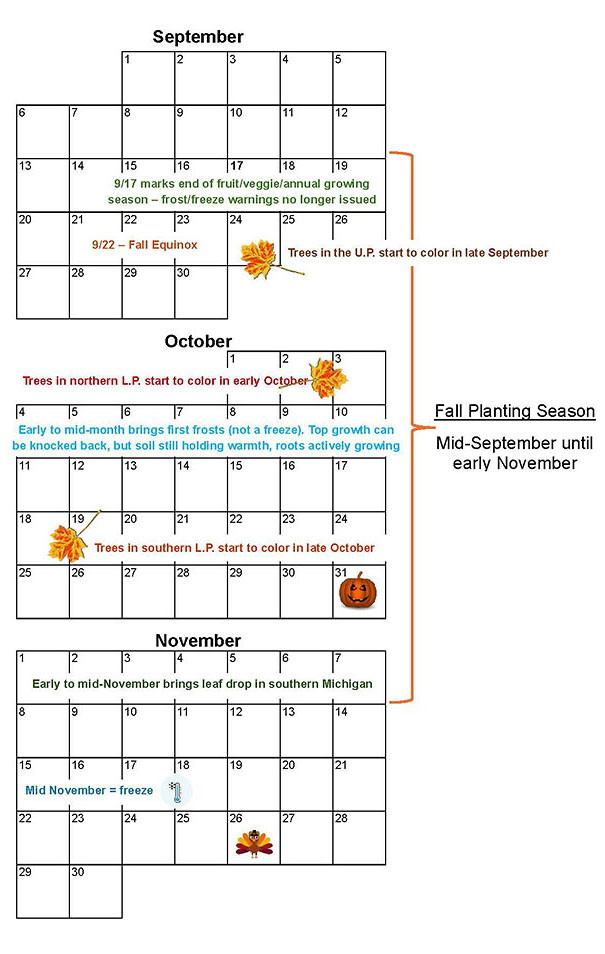
Mid-September is almost upon us, and it is a busy time of year. Now until early November could almost be considered the best time to plant, allowing your plants to "root out" and get comfy before the first freeze.

The graphic below shows some quick statistics and typical weather behavior. 

So, can you plant after that November freeze? Yes, but...

Be a little more careful with your plant choices. The later in the season you plant, the shorter your list of options gets.

Perennials

Yes

Hosta

Hemerocallis

Salvia

Groundcover

No

Veronica

Buddleia

Ferns

Heuchera

Shrubs

Yes

Viburnum

Cornus

Diervilla

EAC/Burning Bush

No

Ilex 

(all, but especially glabras)

Hibiscus

Caryopteris

Clethra

Trees

Most are a yes. However, there are some trees that are considered a fall hazard for digging and planting. Oaks, Redbuds, Dogwood and Amelanchier are considered fall hazard. A full list of fall hazard trees is available on our website under the Resources tab. If a customer chooses one of these trees in the fall, Christensen's requires a waiver to be signed.

If you do plant...

When planting late in the fall to early winter, remember to mulch and use anti-desiccates (on all evergreens). Also keep watering – Shrubs and Trees will continue to take up water until full dormancy. If you plant something on the "no" list just know it is risky. But If you are careful with the plants and add a little help, they stand a good chance of winter survival.


Christensen's will be here for you well into November and the sales staff available to answer all of your fall planting questions. Stop in, give us a call (1-888-454-8733) or email (sales@christensensplantcenter.com).

Transitions

As I write this, the current weather outside is 67°, sunny but breezy. It’s very fall-like. But as Michigan has taught us in recent years, summer isn’t over yet. It’s become increasingly common for us to experience highs in the 80s well into October. Even knowing that temps will soar again, today’s climate triggered a reflection on transition.

Seasons transition from one to the next. We’ll soon transition to fall and then winter. Because we work in the green industry, that requires an annual change to our business. Even if your company continues with snow removal, the amount of work available changes. Winter can provide an opportunity to recover and reset.

For many, the transition to fall means the return of one of America’s favorite past-times: football. High school football, college football and the NFL dominate television sets, schedules and fantasy leagues. Entire social circles develop around football as fans watch games together, tailgate together or cultivate friendly rivalries.

In our house, one of the biggest transitions in the family dynamic starts this week with the start of the 2026/2027 school year. My youngest child, my daughter, starts her senior year of high school. Senior year means walking towards college and adulthood. Every event this year will be her “last”: last high school bowling season, last show in the pit orchestra, last tennis season. But it will also be her parents’ lasts as we transition to being empty nesters. I’m not sure I’ll ever be ready to say it’s a good thing that my children flew the nest. But we’ll find new ways to fill our time and our lives.

Transition is the bridge between the old and the new, the former and the latter. They can start with loss but don’t have to end that way. We decide what the other side of the bridge looks like.

1 2 3 … 11