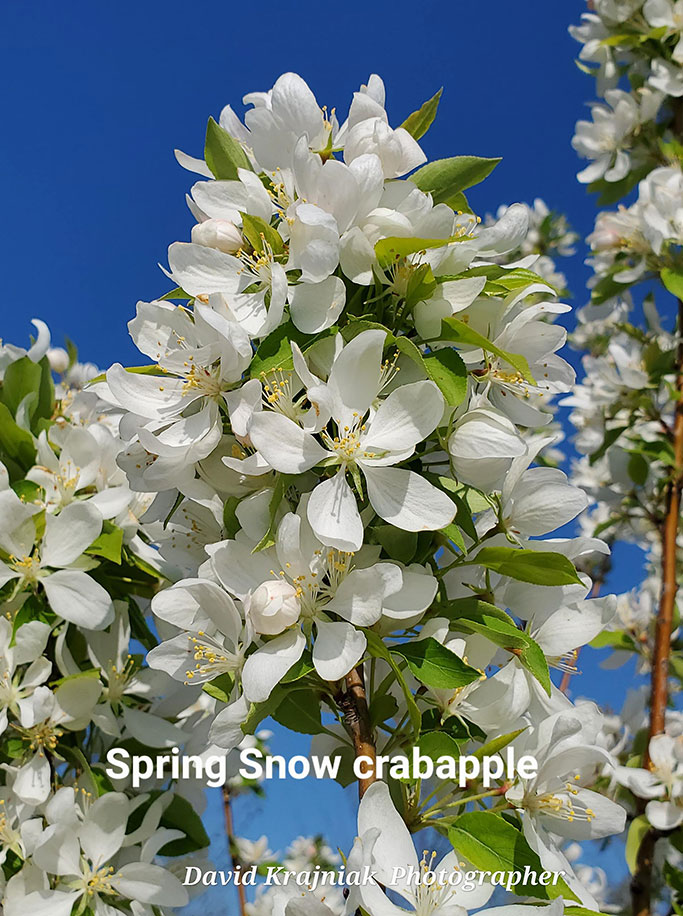
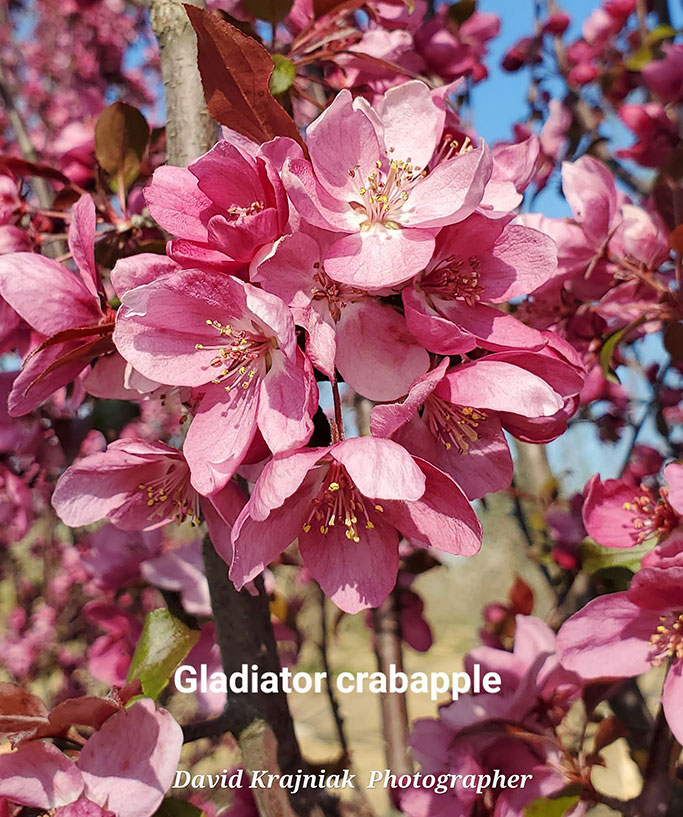
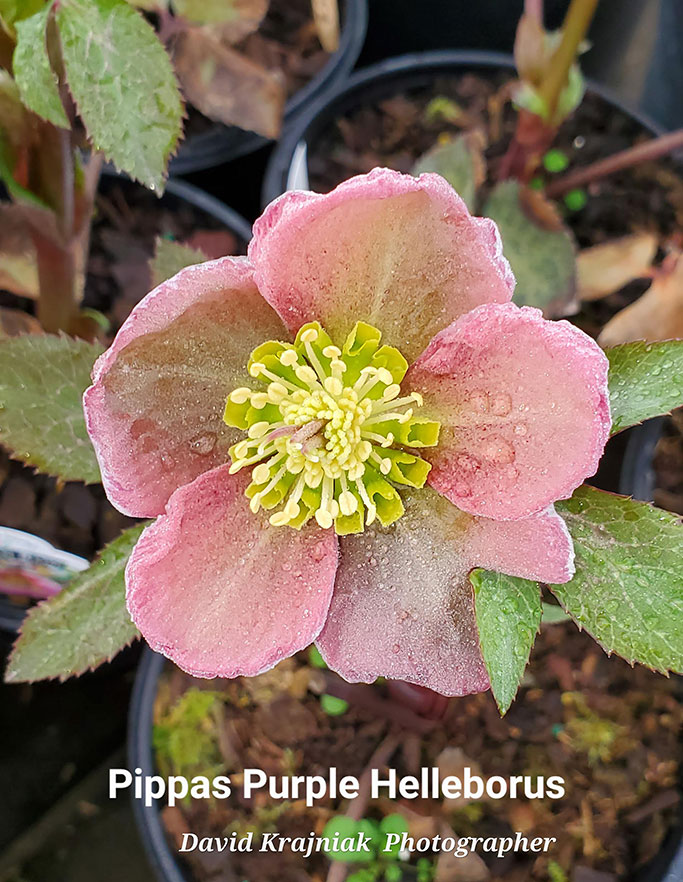
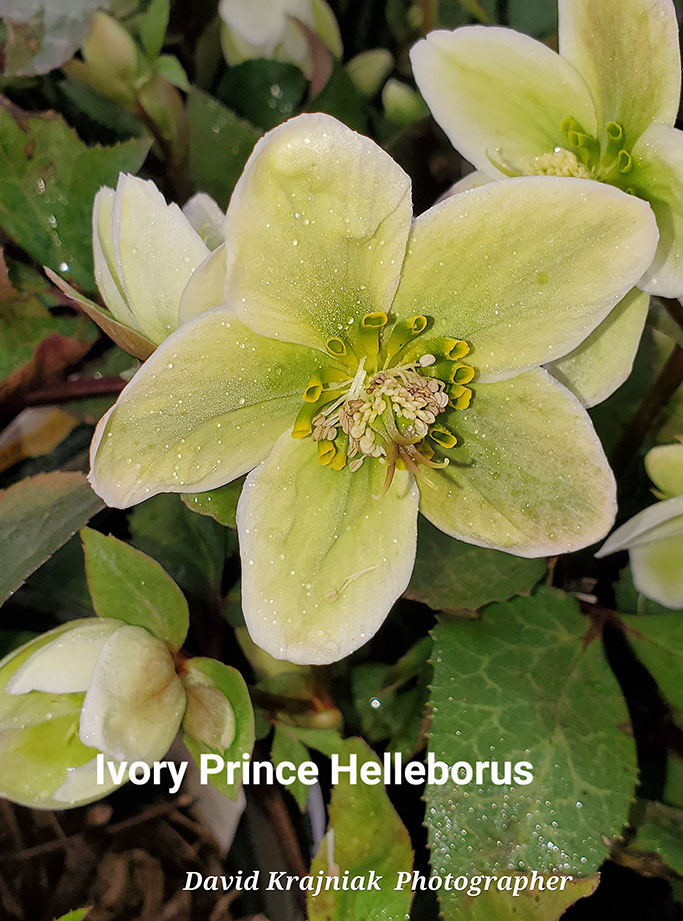
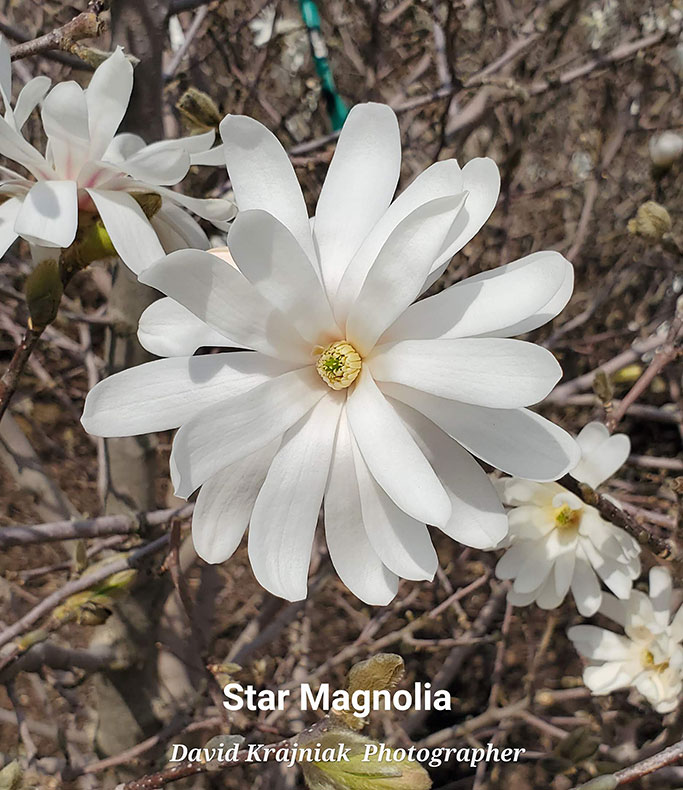
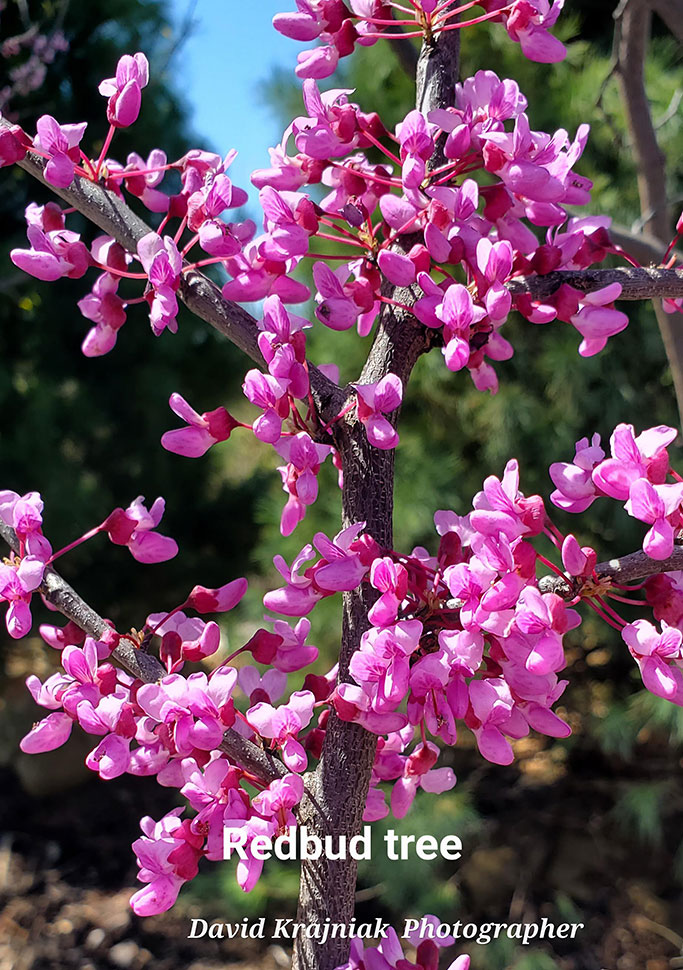
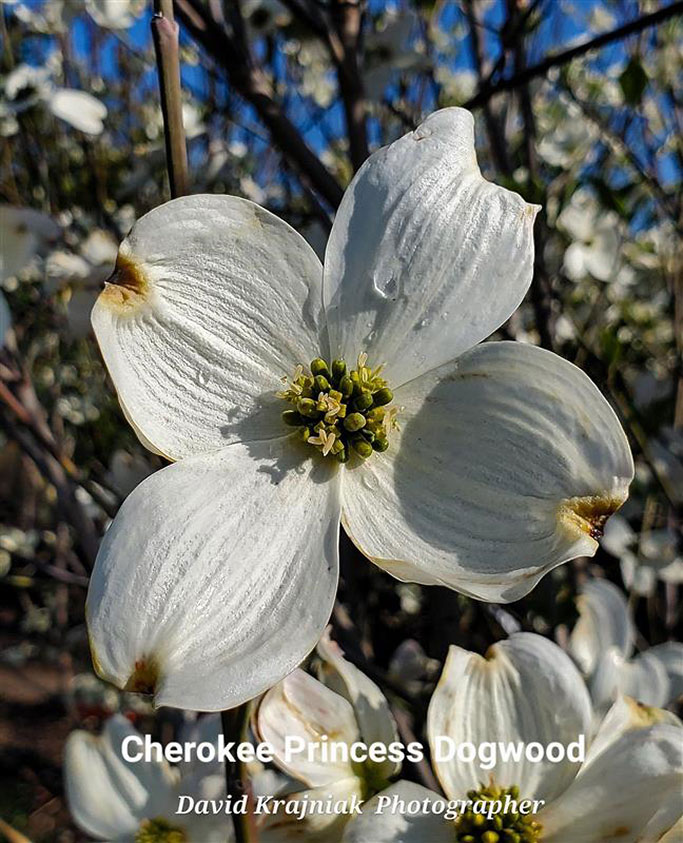
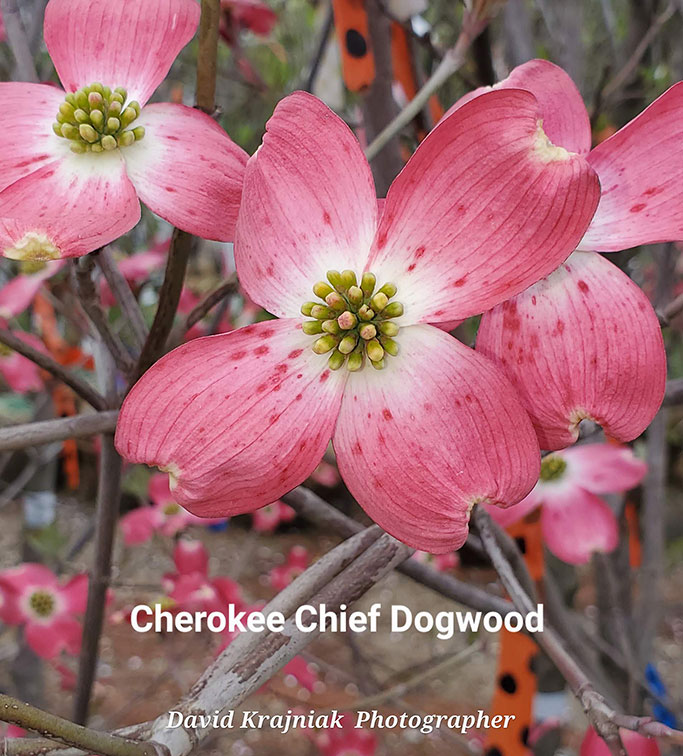
One of our long-time sales people, David "Cinco" Krajniak has a passion for photography. At any given time, he has countless photos on his phone to show anyone that asks. And it's worth the ask!!
This week, he shares with us photos of summer blooms. These are all plants you can find at Christensen's Plant Center. Let Cinco, or one of the other sales staff, know what you'd like to add to your next project.
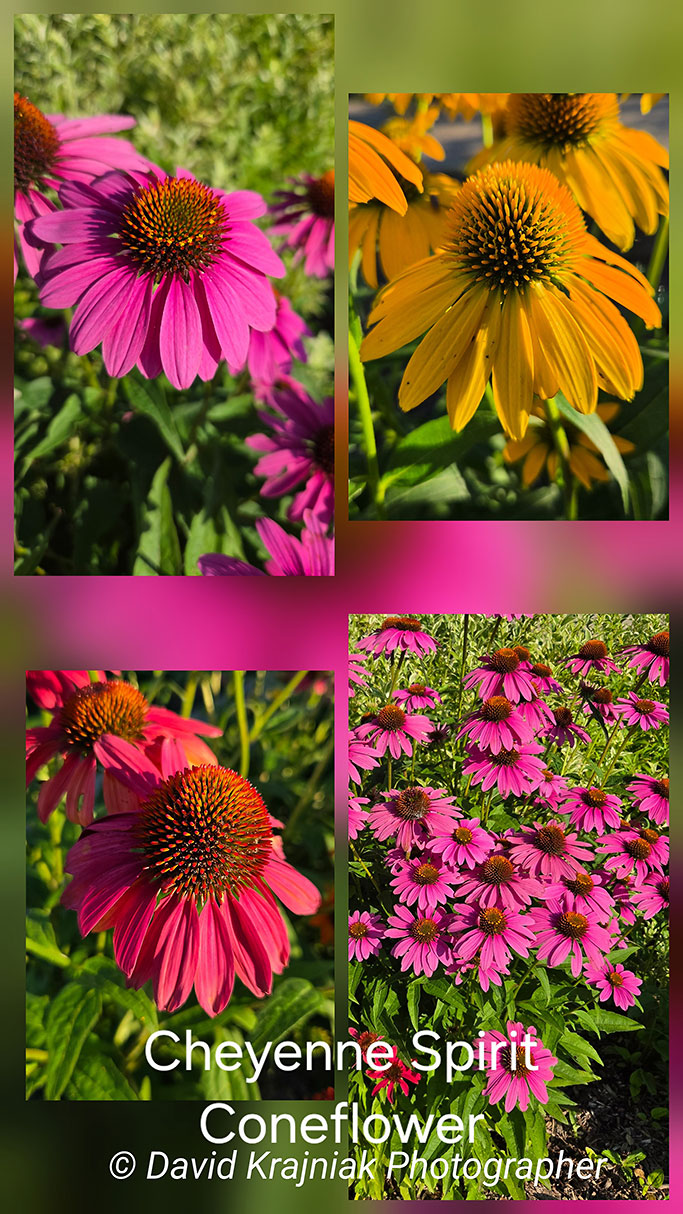
Echinacea 'Cheyenne Spirit' is impressive in the variety of color in one plant! They thrive in full sun and are drought tolerant, growing on stems up to 24-30" tall. The fall seeds are favorites of birds.
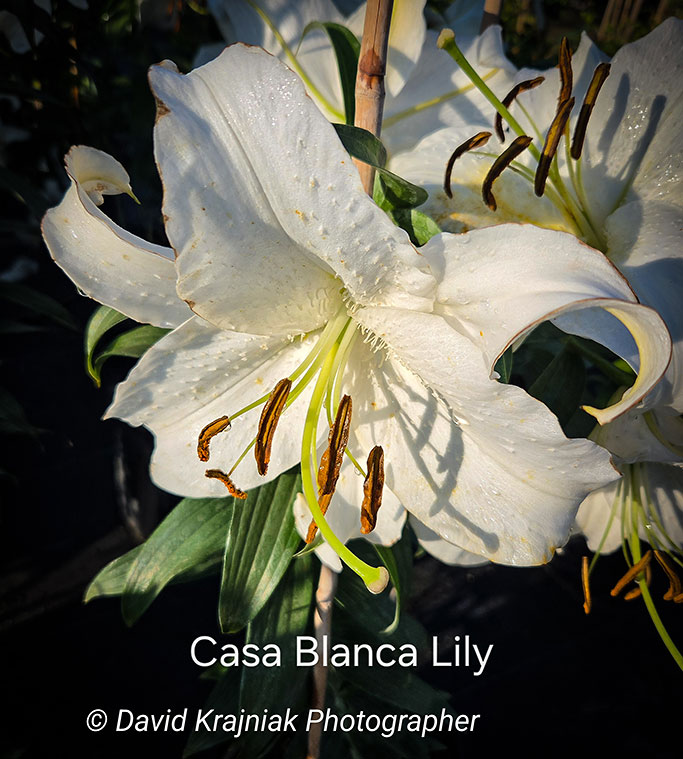
Lilium 'Casa Blanca', white Oriental Lily, blooms mid-to-late summer and is notable for its strong, sweet smell. They prefer well-drained conditions and 6-8 hours of sunlight and can grow 36-48" in height.
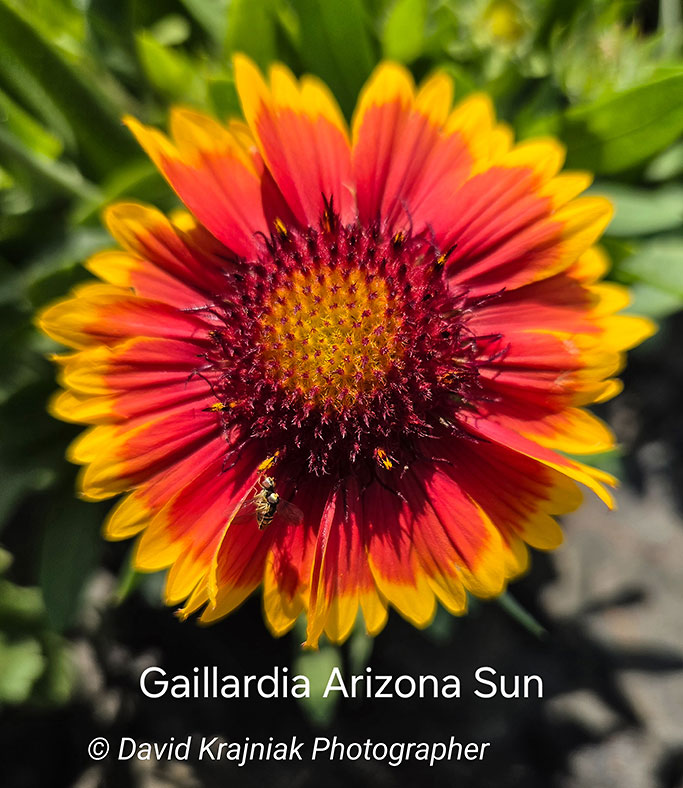
"Here comes the sun...doo-doo-doo." Can you hear the old Beatle's tune in your head when you look at this striking blanket flower? Gaillarida 'Arizona Sun' grows 8-12" tall and blooms early summer through to fall. Because they prefer well-drained soil and full sun, they are drought tolerant.
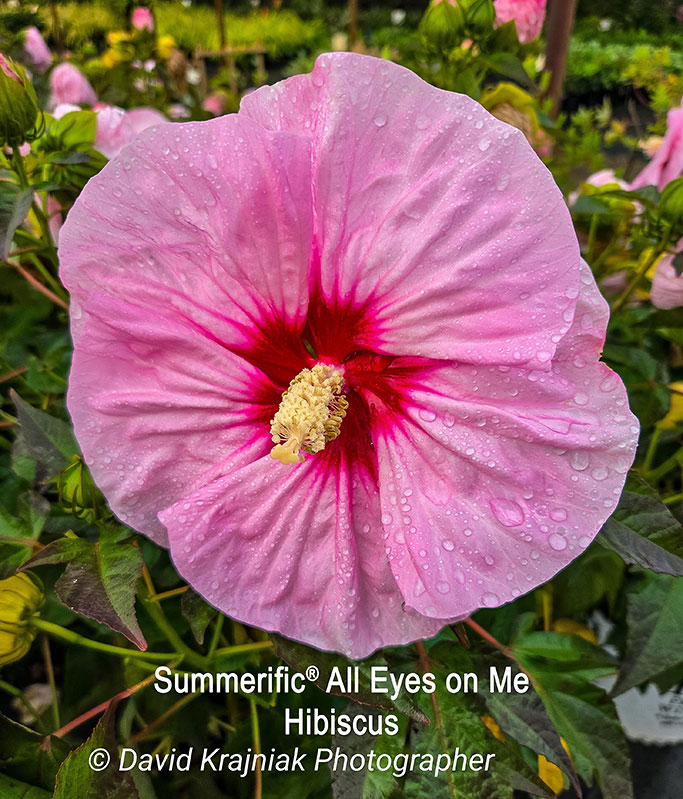
It's probably not nice to accuse a plant of being stuck-up. But with a name like 'All Eyes on Me', you have to wonder. This Summerific® perennial Hibiscus has reason to show off. Her 8" blooms emerge late summer on a 42" tall plant. They prefer full to partial sun and moist, well-drained soil.
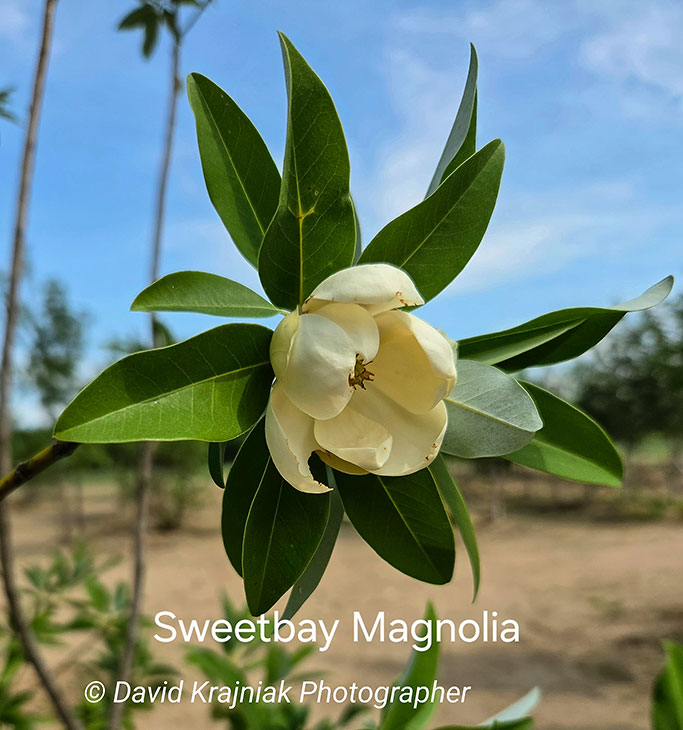
Unlike some of the other mentions above, Sweetbay Magnolia tolerates poorly drained, swampy soils. Which makes sense since it's originally native to eastern coastal areas. However, it thrives in Zones 5-10. This beautiful, delicate, creamy flower has a light, lemony scent.
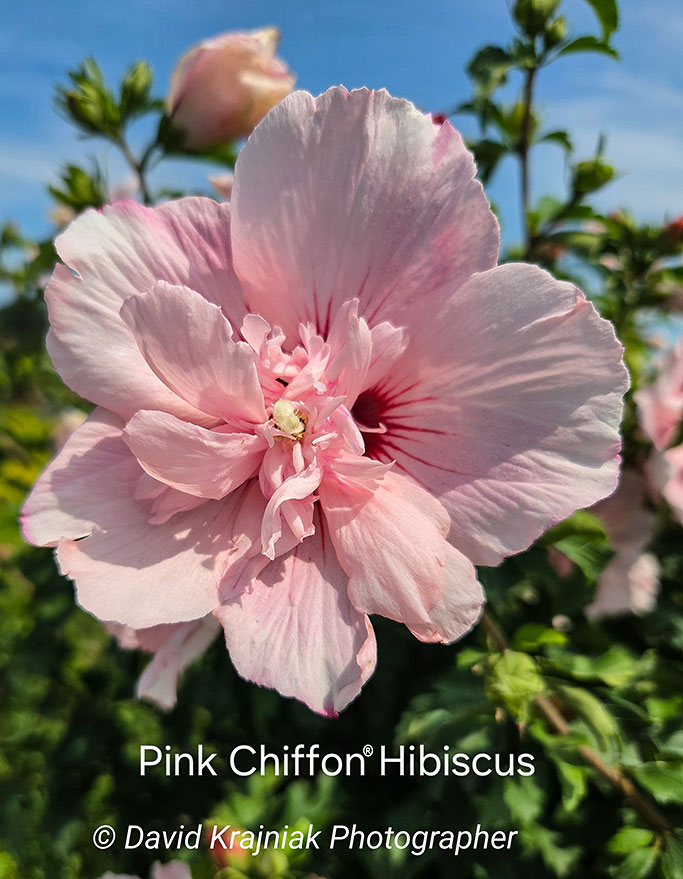
Another delicate flower can be found on the Pink Chiffon® Hibiscus. Rose of Sharon typically bloom mid-summer, attracting bees, butterflies and hummingbirds. Once established, these are the perfect low-maintenance, 8-12 ft tall deciduous shrubs.
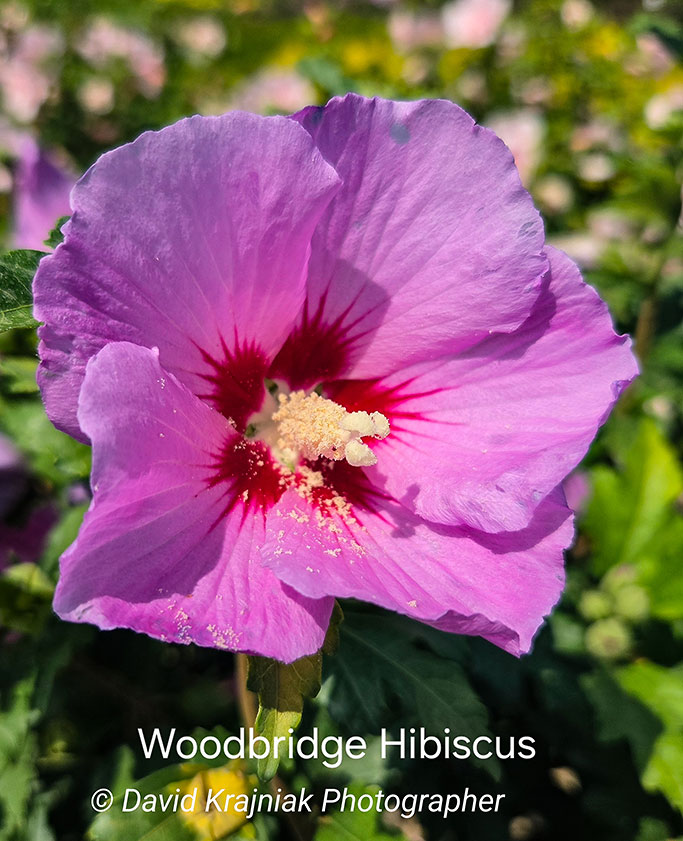
Finishing out the Hibiscus highlights is Woodbridge. Maxing out at a similar size as Pink Chiffon®, this variety contrasts with it's deep pink flowers.
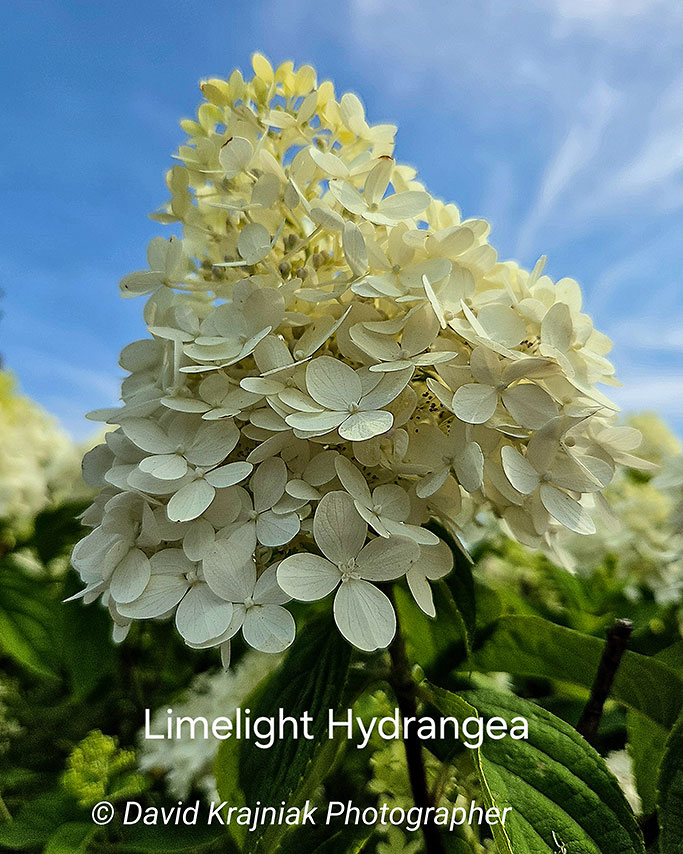
Christensen's sells hundreds of Limelight Hydrangeas every year, for good reason. This panicle hydrangea is hardy enough for Michigan, growing 6-8' tall. Cinco did a beautiful job of capturing their cone-shaped flowers.
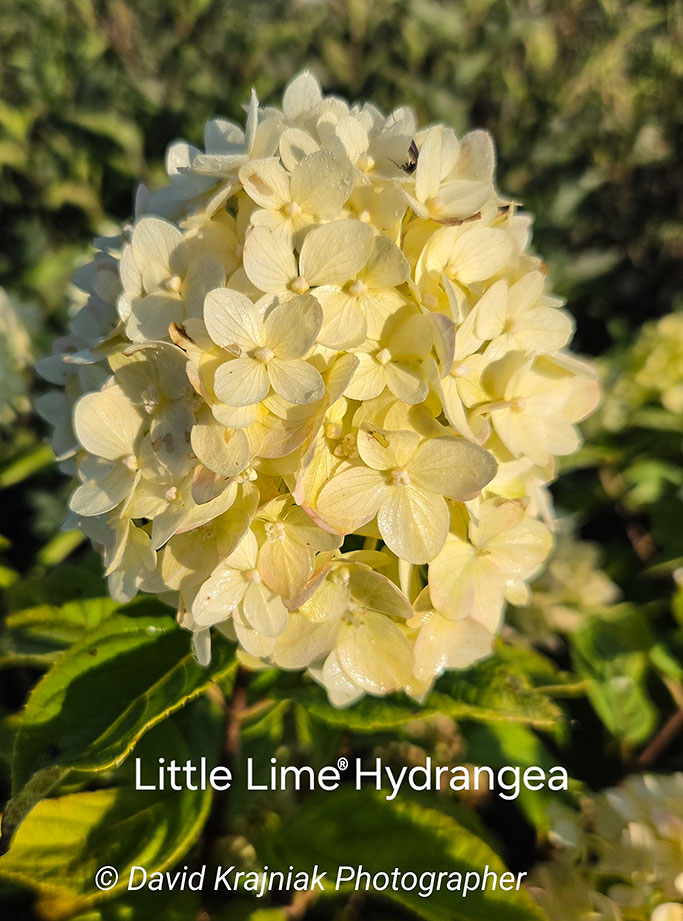
Little Lime Hydrangea, as you'd guess, is the dwarf version of the Limelight. Comparatively, this little guy's mature height is only 3-5' tall. But, it still blooms lime green transitioning to a creamy white that matures to deep pink and then to burgundy in the fall.
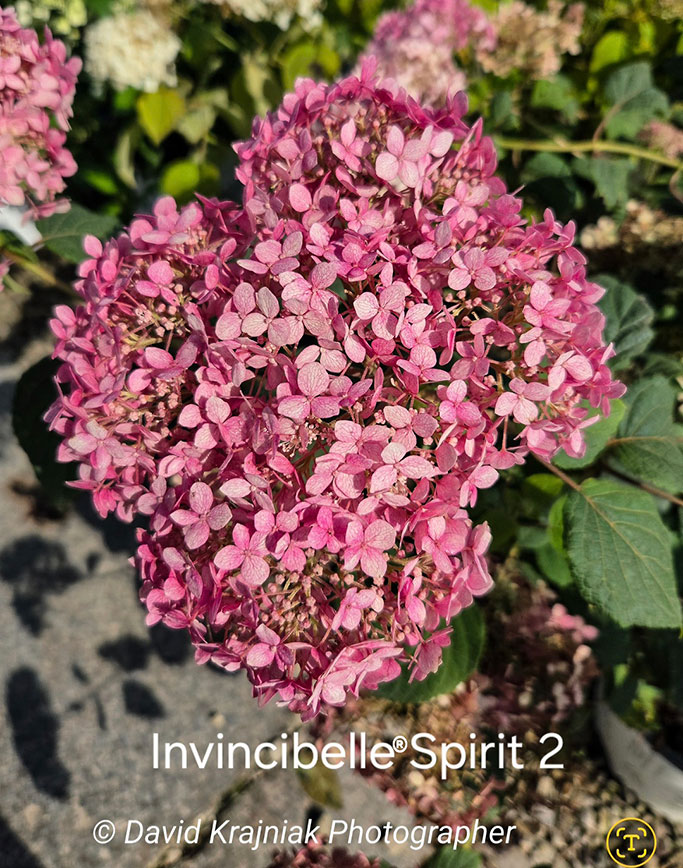
Hydrangea arborescens Invincibelle® Spirit II not only provides these beautiful pink blooms, but for every plant sold, Proven Winners donates $1.00 to Breast Cancer research. At a mature size of 4' x 4', these hydrangea also rebloom from summer into fall.
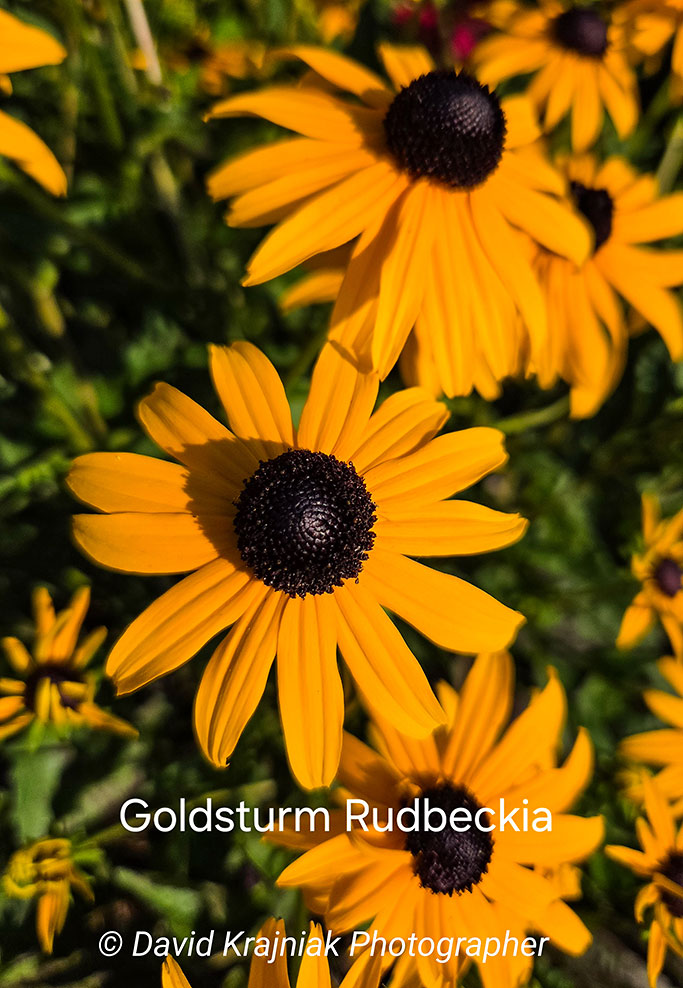
Rudbeckia 'Goldsturm', similar to Limelights, are a standard at Christensen's. They are also a fall favorite for their golden color. While they smile brightest in full sun, they'll still grow for you in partial shade. Southeast Michigan is full of clay soil so these are also perfect for that!
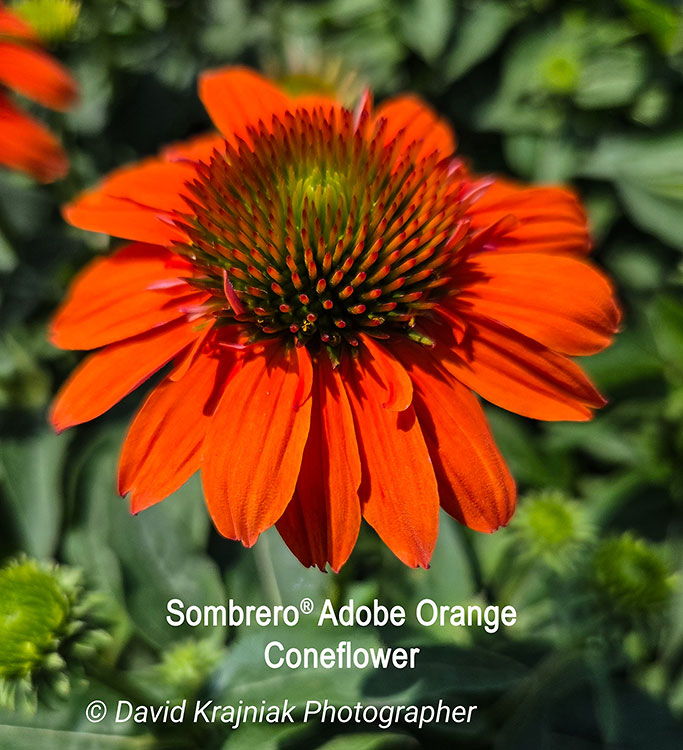
Speaking of colors that evoke fall, the blood-orange color of this Sombrero® Adobe Orange Echinacea is gorgeous! Drought and deer resistant, pollinators love Coneflowers and as the weather gets cold, the seed cones are the perfect food for birds.
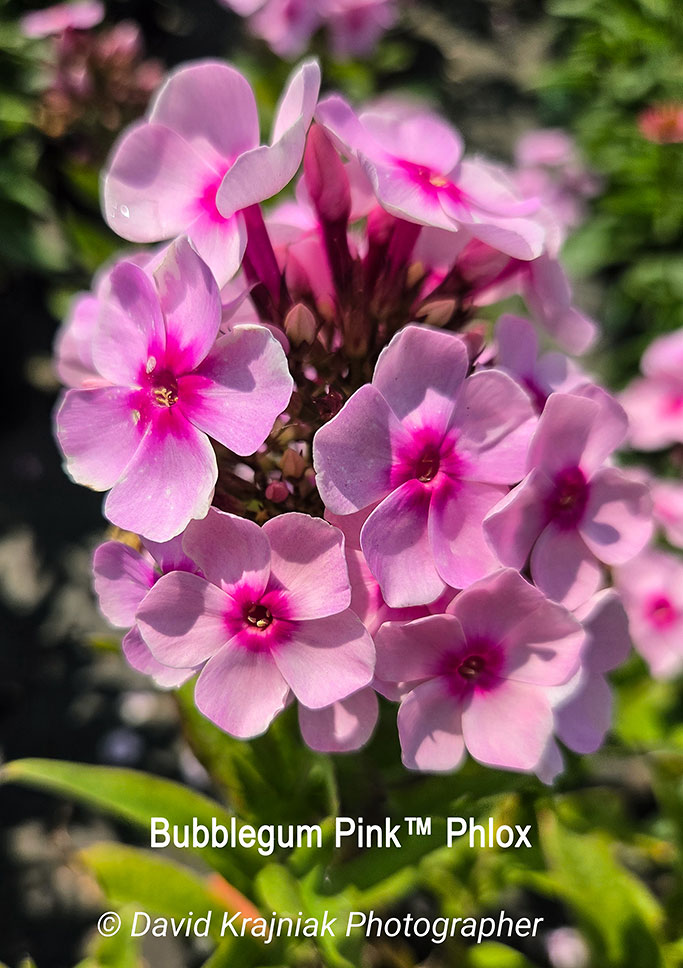
We'll finish this beautiful photo diary with Bubblegum Pink™ Garden Phlox. The Christensen's perennial lot pops with these bright blooms during the summer. Growing to 18-24" in height, they're another favorite of pollinators. Nothing says summer like bright colors that evoke memories of childhood, going to the park with your friends, everyone chewing on DubbleBubble.
Thank you to Dave "Cinco" Krajniak for sharing his talent and beautiful photos with us this week. Contact your Christensen's sales person to add any of these plants to your next project.