Trees – Sticks & Stones

Archive

Category Archives for "Trees"

Behind the Buyer Curtain

Hi! I am Molly and I have been with Christensen’s for 14 years. Many of you may remember me from my days on the perennial lot. These days, I am the perennial buyer, sadly working at a desk (not so sadly during a heat wave or rainstorm). My main goal is to source fresh, quality perennials that are landscape ready!

I wanted to give you a little peek behind the curtain, so that you can understand all that goes into offering the best customer care possible!

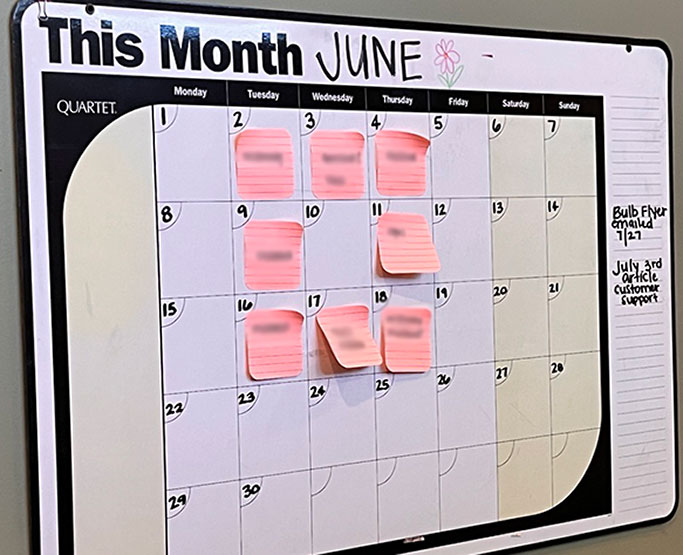
Let me start with the most important aspect of my job: timing. The plant buyers are always working one to two weeks out. For example, today is Monday July 13th. By the end of this week, I will have trucks for the week of July 20th set in stone and am unable to make additions or changes.

This is how I lay out the perennial shipments. Each sticky note represents a shipment, sometimes several. It's necessary for the plant buyers to plan several weeks in advance - not only to source stock material but to plan for

large orders.

You might be wondering, why do I need to know this?? As the contractor, it’s important to understand the lead time required to get your material to Christensen’s. Basically, the buyers need a week or two, sometimes more (depending on time of year) to get you exactly what you need. If you need something ASAP, let us know ASAP so your material arrives fresh and in a timely fashion.

If a project requires a large quantity of a plant, or something funky no one has ever heard of, please let us know, in advance! We want to help! But we order your plant material from all over the country, and with the logistics involved, it takes proper planning on our part.

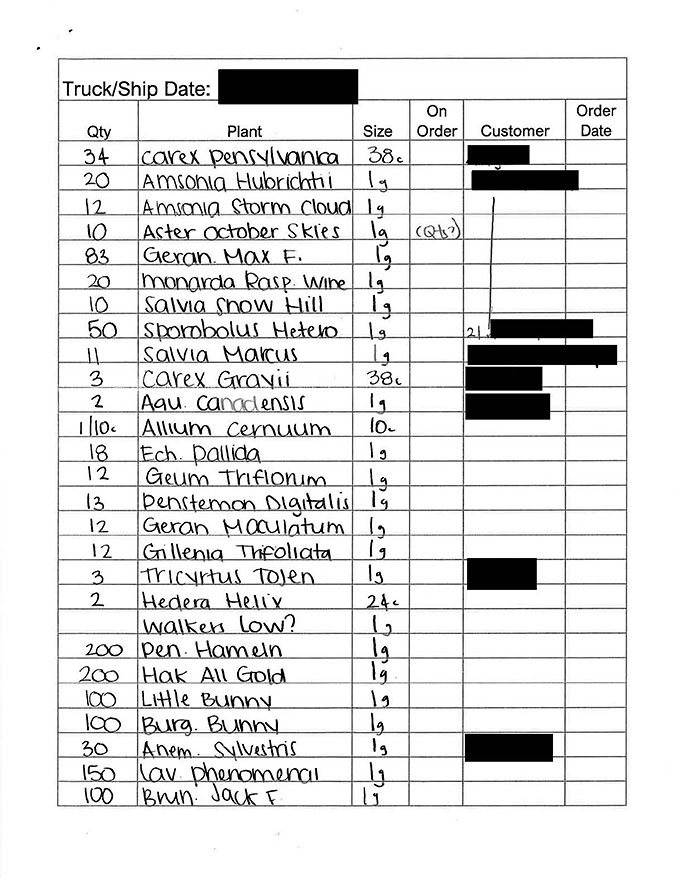
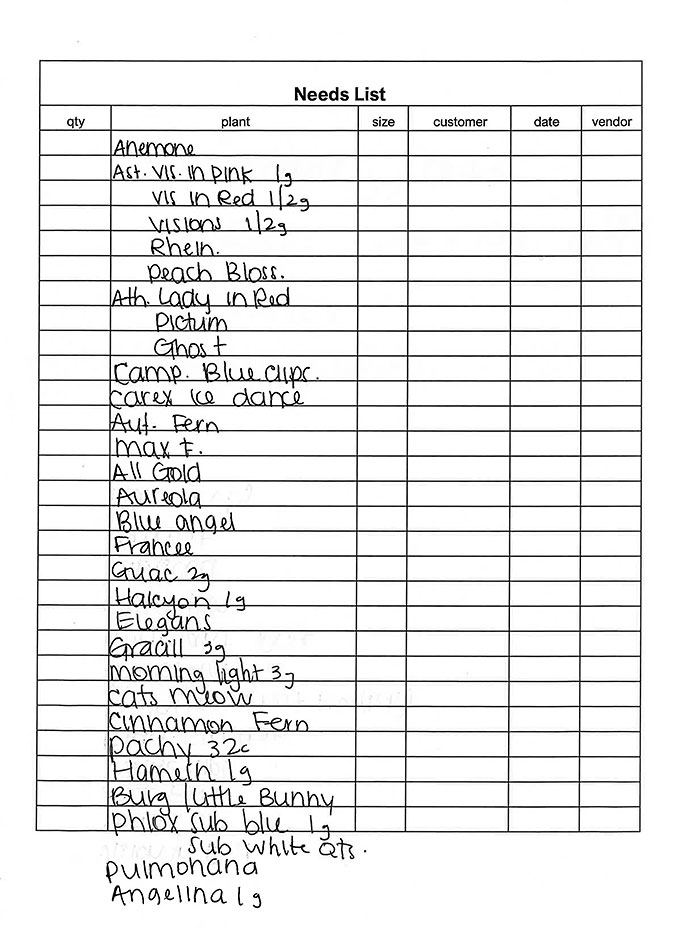
I use this form to keep a running list of what I need to order from a given vendor on a given truck. This list is then emailed to the vendor.


Note that next to the Aster October Skies, I have (Qts?) written. This happens sometimes where you, the customer, ask for a certain size or a specific plant. After checking my sources, I might have to think outside the box and come to you with alternatives.


Flexibility on both sides ensures we get the best possible results for everyone!

There is another snake in the grass to be wary of. Say you give me the list of materials and deposit right on time, I order it for the following week, and all is good. Then the dreaded “bounce back” email arrives, notifying me that the plants are no longer available: crop loss, water issues, pruning issues, someone stole them for another order. Whatever the reason, your plants are not coming as planned.

As a buyer who prides herself on meeting deadlines, this is not an ideal situation for either of us. After follow-ups with your salesperson, who will then notify you of the snag, the plants are added to my “get it here now!” list and your arrival date is pushed back at least another week.

Why am I sharing this bit of information? It’s a gentle reminder that some things are out of our control and many issues can be mitigated with advance planning. For example, after receiving a “bounce back” email, there still might be a chance to meet your deadline because it’s several weeks away.

Finally, advance notice of large or unique orders allows the buyers time to search. Even if you are unsure of the exact date, let us know! I am always putting out feelers to my suppliers, inquiring about finish dates and availability, and am sometimes able to place plants on order for me until we are ready to ship. This will secure your order until you are ready for it! Please know that with special order items, or large quantity shipments, we require a deposit of up to 50%. This lets the buyer know that the order is good. And lets you know, I AM ON IT!

This image is just a sample of how I track needed plants. 

Much of my day is spent looking at "Availability Lists" from our suppliers.

By keeping a "Needs List", items are less likely to get missed. 

Let your sales person know if there's something you need to add to my list. 

The moral of the story is that we, the buyers, are committed to providing you with quality material, in stock when you need it. That quality, however, requires regular turnover. Therefore, we may not have the quantity or item you’re looking for on any given day. Advance notice allows the buyers to work with you to source the material you need when you need it. When situations out of our control pop up, please know that we work hard to make it right.

Thanks for reading, and I look forward to your orders! 😊

Fertilizer Primer

Christensen's offers a full selection of fertilizers for landscape professionals. With so many options available, choosing the right product can sometimes feel overwhelming. Here's a quick guide to help you match common landscape applications with the fertilizer best suited for the job.

Quick Fertilizer Guide

  1. New planting Trees and Shrubs → Bio-Tone Starter Plus + Root Stimulator
  2. Long-term feeding → Osmocote
  3. Acid-loving shrubs → Holly-Tone
  4. Established Trees and Shrubs → Plant-Tone
  5. Flowers → Flower-Tone
  6. Roses → Rose-Tone
  7. Bulbs → Bulb-Tone
  8. Turf → Milorganite

If you'd like a little more detail, here's a closer look at each fertilizer and where it fits best in the landscape.

Product

 Recommended Use

Bio-Tone Starter Plus

Starter fertilizer for newly installed trees, shrubs, perennials, and annuals. Contains beneficial microbes and encourages strong root development while reducing transplant shock.

General Purpose 12-12-12

A balanced fertilizer for general landscape use. Good for established trees, shrubs, flower beds, and situations where a quick nutrient boost is needed.

Holly-Tone 4-3-4

Formulated for acid-loving plants such as hollies, azaleas, rhododendrons, blueberries, and many evergreens. Helps maintain proper soil pH while feeding.

Plant-Tone 5-3-3

An all-purpose organic fertilizer for trees, shrubs, flowers, and vegetable gardens. Easy recommendation when customers want one product for most landscape plants.

Rose-Tone 4-3-2

Designed for roses and flowering shrubs. Promotes healthy growth and abundant blooms without excessive vegetative growth.

Osmocote Blend 17-5-11

Professional-grade controlled-release fertilizer that feeds for several months. Excellent for trees, shrubs, landscape beds, container plantings, and commercial installations where long-term feeding is desired with fewer site visits.

Flower-Tone 3-4-5

Formulated for annuals, perennials, and flowering plants. Higher phosphorus and potassium support strong flowering and bloom production, helps strengthen root growth.

Fertilizer Stakes 15-7-6

Convenient slow-release feeding for trees and shrubs. Good option when customers want targeted feeding with minimal labor.

Bulb-Tone 3-5-3

Designed for bulbs such as tulips, daffodils, lilies, and alliums. Supports root development and improved flowering.

Milorganite Pro 6-4-0

Slow-release nitrogen fertilizer commonly used on lawns, turf, and landscape beds. Feeds gradually, improves soil health, and has a very low risk of burning plants. Excellent for sod establishment and maintenance.

Ferti-Lome Root Stimulator Plus B-1

Used at planting time to reduce transplant stress and encourage root establishment for trees, shrubs, flowers, and bedding plants.

Application Tips

  • Bio-Tone: Mix into the backfill during planting.
  • Root Stimulator: Water in at planting.
  • Plant-Tone, Holly-Tone, Rose-Tone, and Flower-Tone: Mix into planting beds during installation or apply to the soil surface around established plants and water in.
  • Osmocote: Apply to the soil surface under mulch or lightly incorporate into the root zone.
  • Milorganite: Broadcast over turf and water in.

Christensen's prides itself on partnering with landscape professionals to help them install and maintain beautiful, successful landscapes.

While fertilizer can help plants establish and thrive, more is not always better. Fertilizer is most effective when plants are healthy and actively growing. Avoid fertilizing plants that are drought-stressed or experiencing significant transplant shock. Sites amended with quality compost may also require less fertilizer than expected. In most cases, proper watering, soil preparation, and planting practices will have a greater impact on long-term plant success than fertilizer alone.

Spring Colors at Christensen’s

Mother Nature can be quite the show-off! She provides us so much beauty in the spring. Christensen's becomes a nature center, with blooming trees, shrubs and perennials creating an amazing cornucopia of color and fragrances to stimulate your senses

Keep scrolling to enjoy a colorful spring photo diary of plants available at Christensen's.

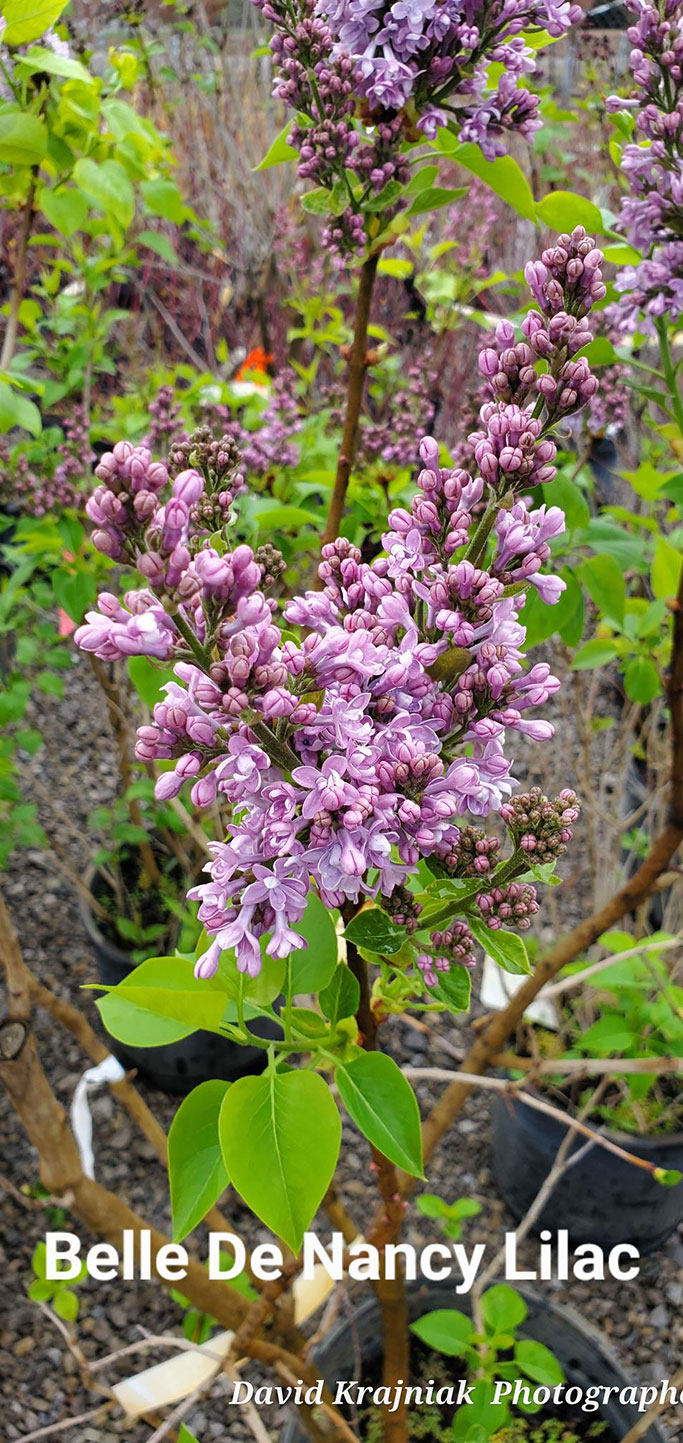
Belle de Nancy Lilac (Syringa vulgaris 'Belle de Nancy') requires full sun for the best blooms. As the flowers open, they have a distinctive white center. Who else believes the scent of lilacs is the best part of spring?

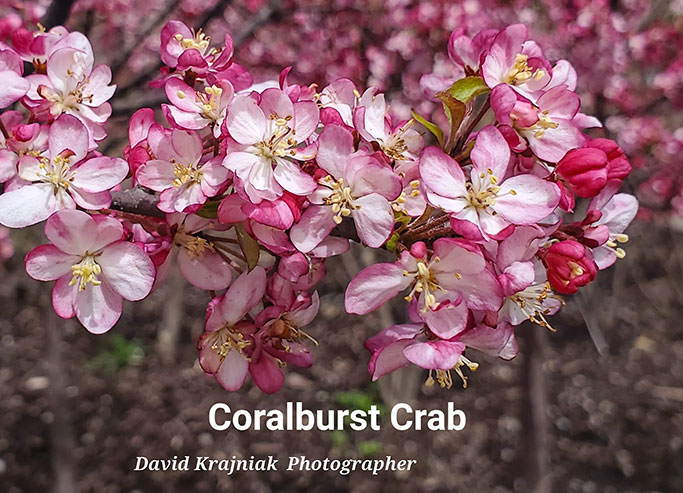
Coralburst® Crabapple (Malus 'Coralcole') is salt-tolerant, grows well in normal, sandy or clay soil and grows to be about 8-12' x 10-15'.

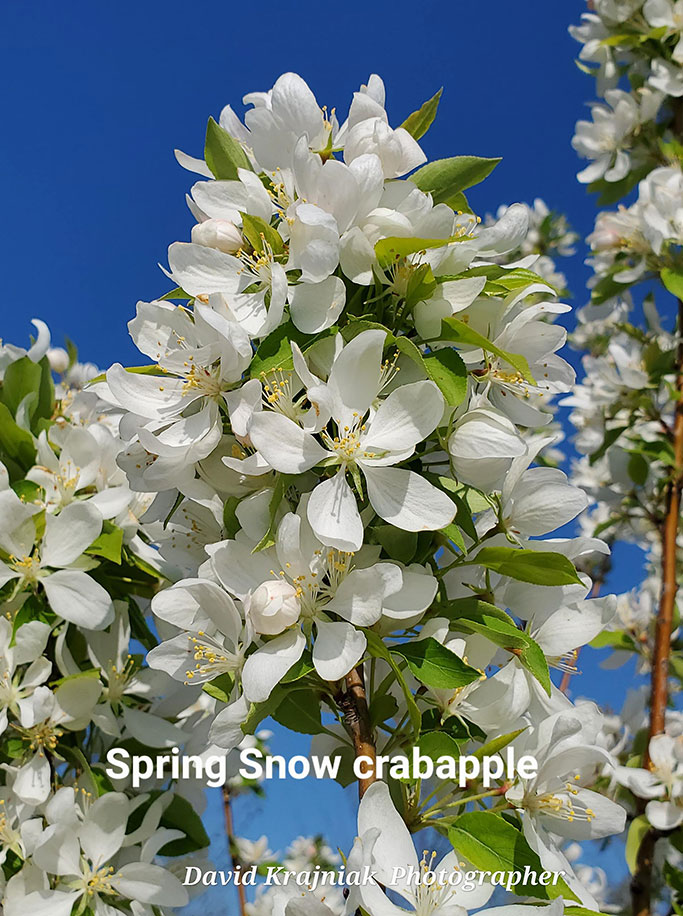
While Malus 'Spring Snow' 

flowers in pure white, this crabapple tree doesn't fruit. At maturity, it can grow to 25' tall with a spread of 22'.

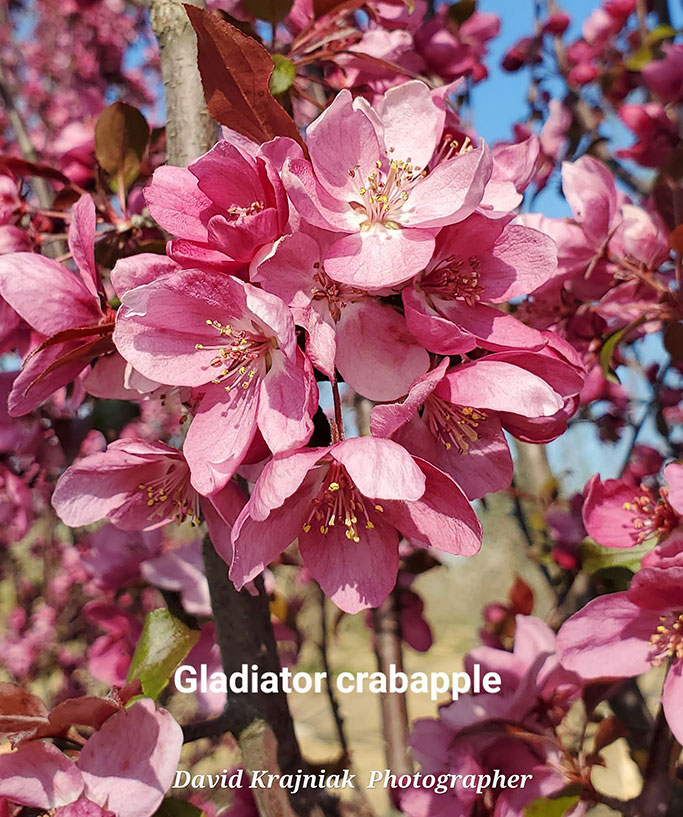
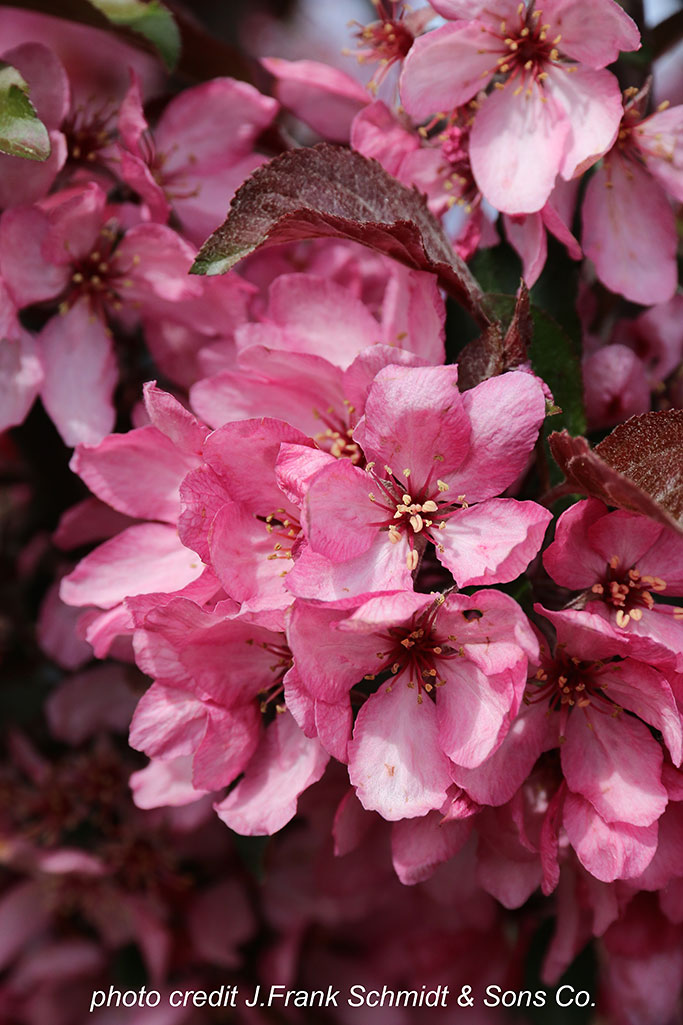
Gladiator™ Crabapple (Malus X Adstringens 'Durleo') not only has these bright pink flowers, its glossy bronze-purple leaves help it to stand out amongst other crabapple trees. This ornamental is advertised as being the perfect choice for space-challenged areas.

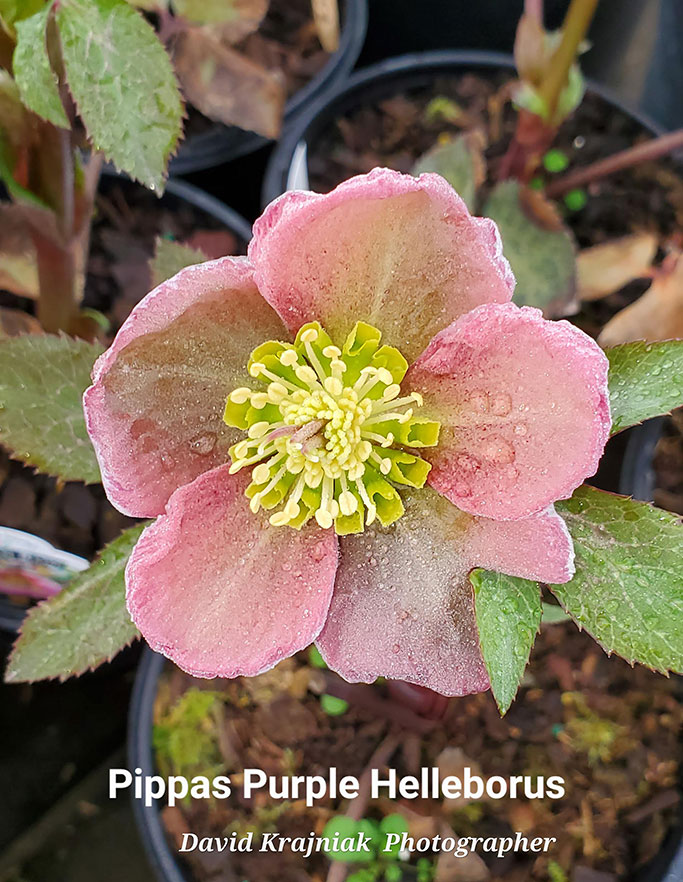
Early blooming Frostkiss® Pippa's Purple Hellebore (Helleborus X 'RD9') are a low maintenance perennial providing late-winter, early spring interest to the landscape.

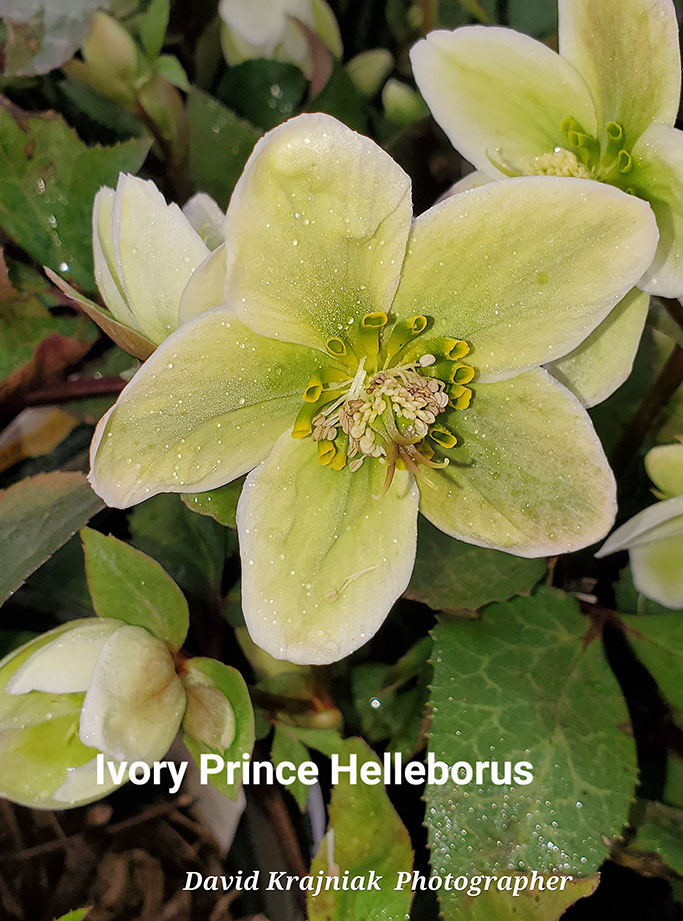
Ivory Prince Hellebore 

(Helleborus 'Walhelivor'), like other Hellebore, is deer and rabbit resistant. Its evergreen foliage provides interest all winter long.

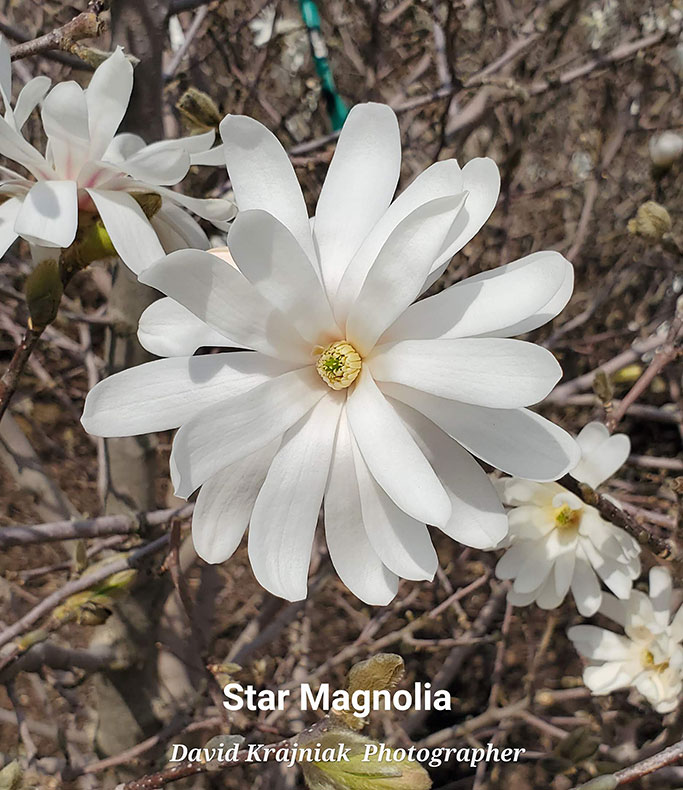
Magnolia stellata 'Royal Star', because it blooms later than other Magnolias, is less susceptible to frost issues. This native of Japan can grow to be 10-20' with a spread of 8-15'. 

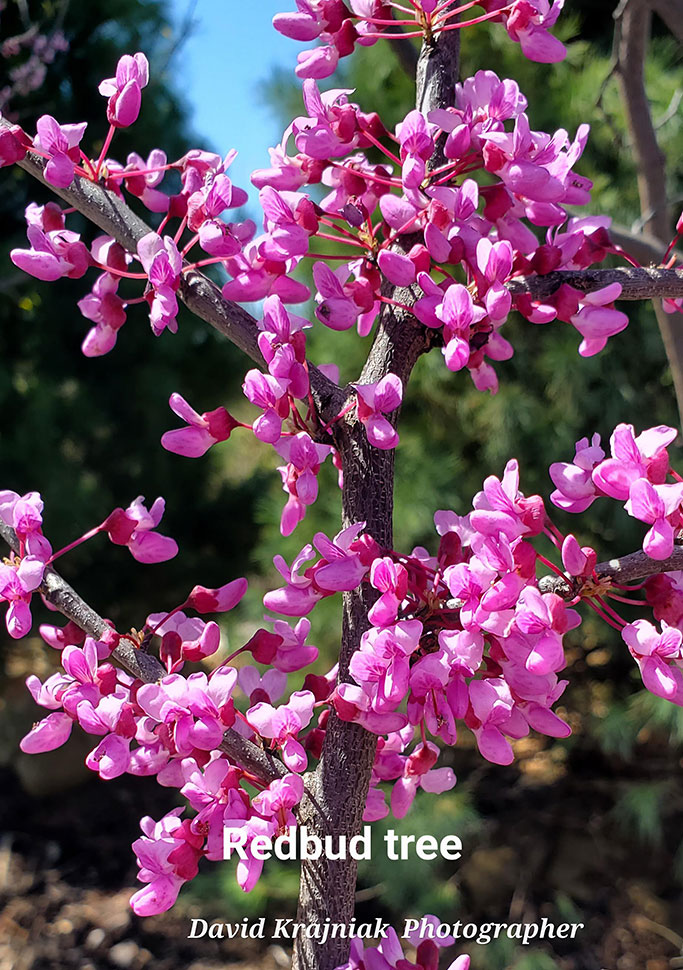
Eastern Redbud 

(Cercis canadensis) is known for it's pea-like flowers. They grow best in well-drained soils and can tolerate both full sun and partial shade. This native can grow to a height of 20-30' with a spread of 25-35'.

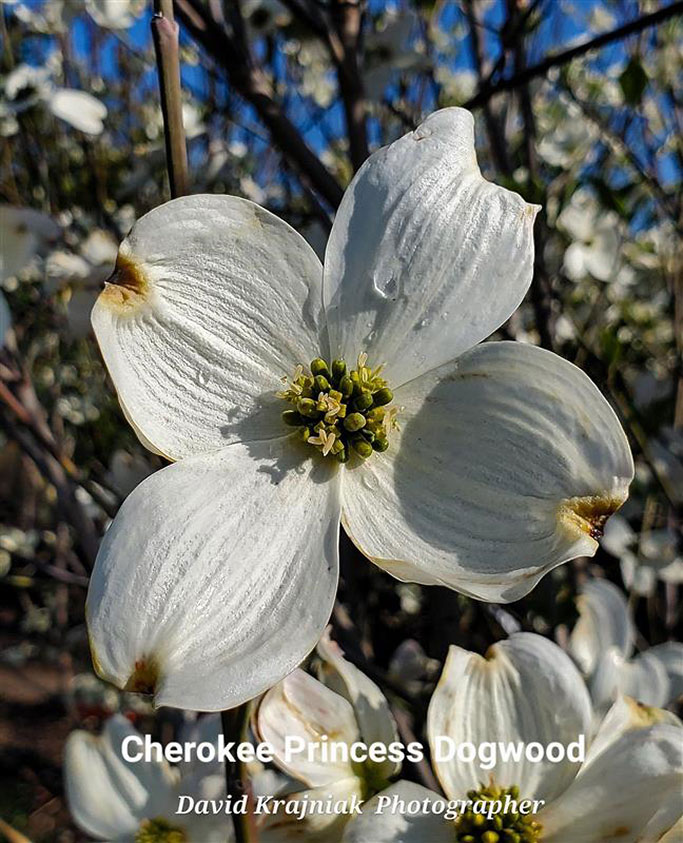
Cornus florida 'Cherokee Princess' produces these beautiful white flowers in the spring. In late summer, fruit attracts birds. Mature height is 15-30' tall.

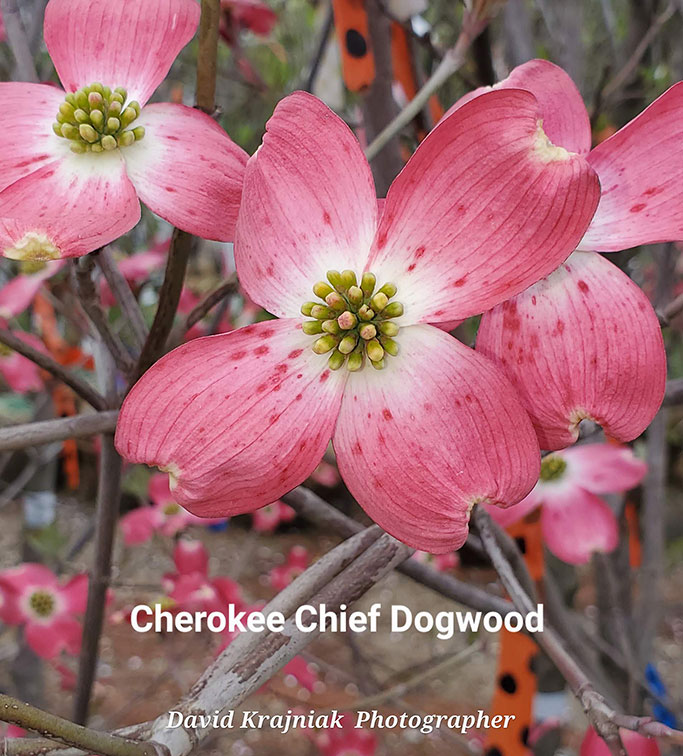
Cornus florida 'Cherokee Chief' is known for its spring flowers but also the red of its fall foliage. Growing to 15-30' tall, these dogwoods are pest, drought and deer resistant.

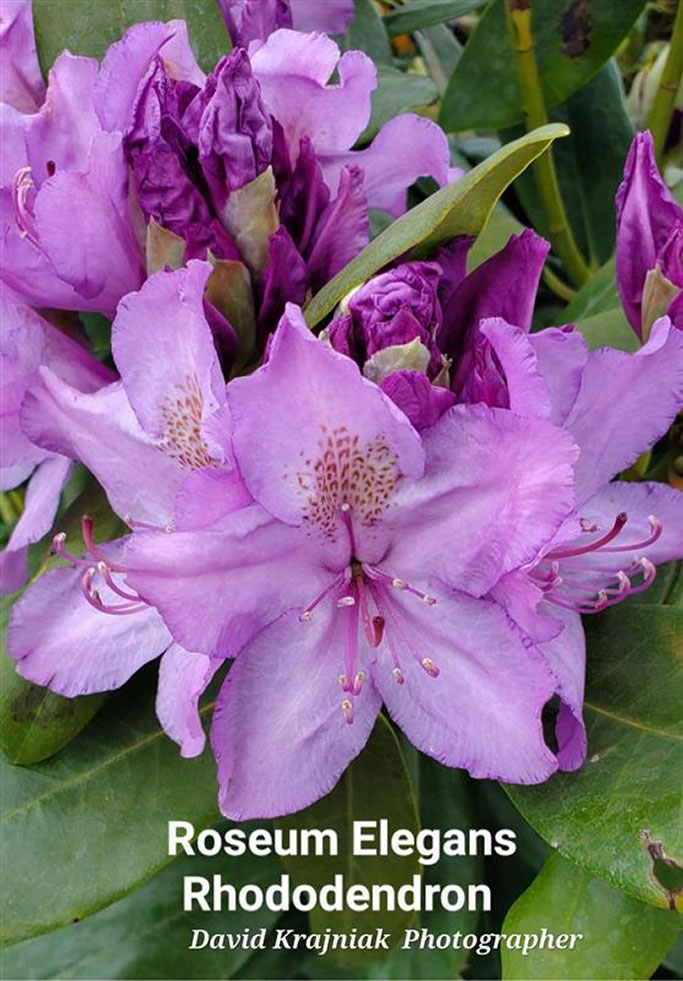
We'll close out the show with the elegant, purple flowers of Roseum Elegans Rhododendron (Rhododendron catawbiense 'Roseum Elegans'). This fast-growing, evergreen shrub thrives in cooler regions like Michigan and is an option as a hedge or privacy screen.

Join us at Christensen's to see what's blooming.

The variety is staggering.

New Trees for 2026

Christensen's Plant Center has added several new (or new to us) varieties of trees to the availability list this season.

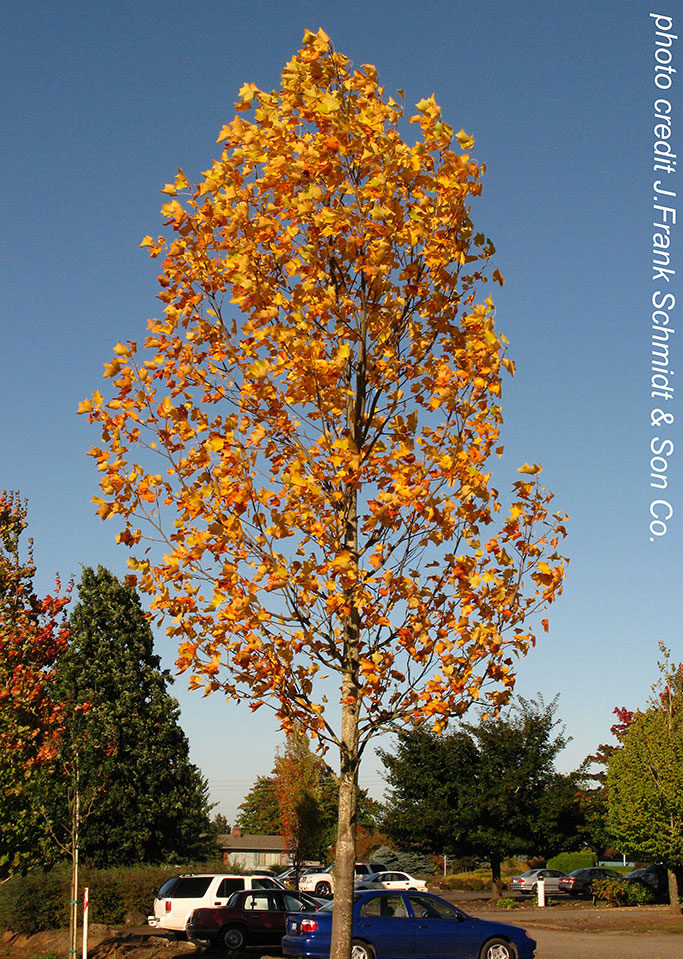
Emerald City® Tulip Tree 

(Liriodendron tulipfera 'JFS-Oz')

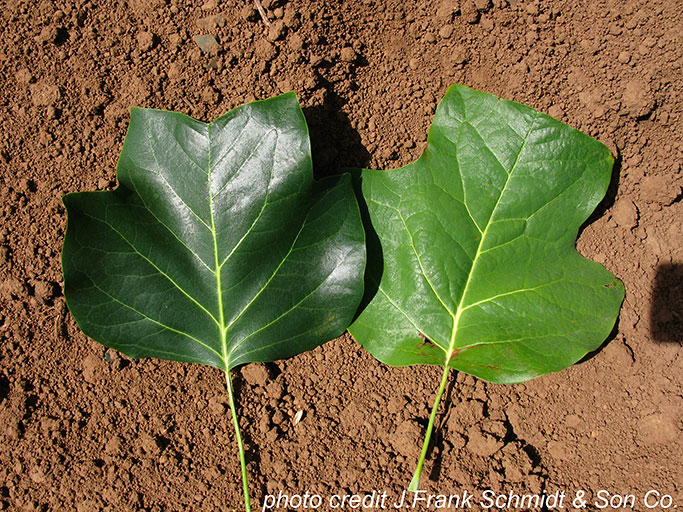
This is a more refined cultivar of the tulip tree. It will grow to be 55’ tall and 25’ wide, in a straighter, more upright manner with a dominant central leader, evident in the fall image below. During the season, the leaves are a deeper green color with a glossy finish.

The leaf on the left is from an Emerald City® tree.

Note the darker green color and the glossy finish.


Ivory Spear® (Malus 'JFS KW214MX') and Raspberry Spear® (Malus 'JFS KW213MX') Crabapples

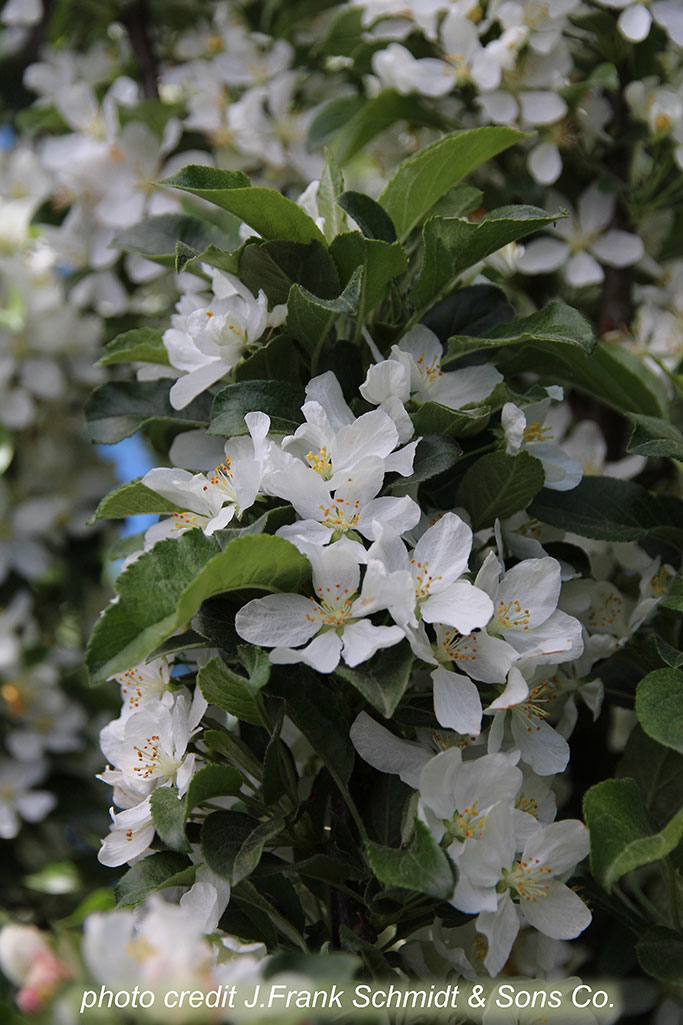
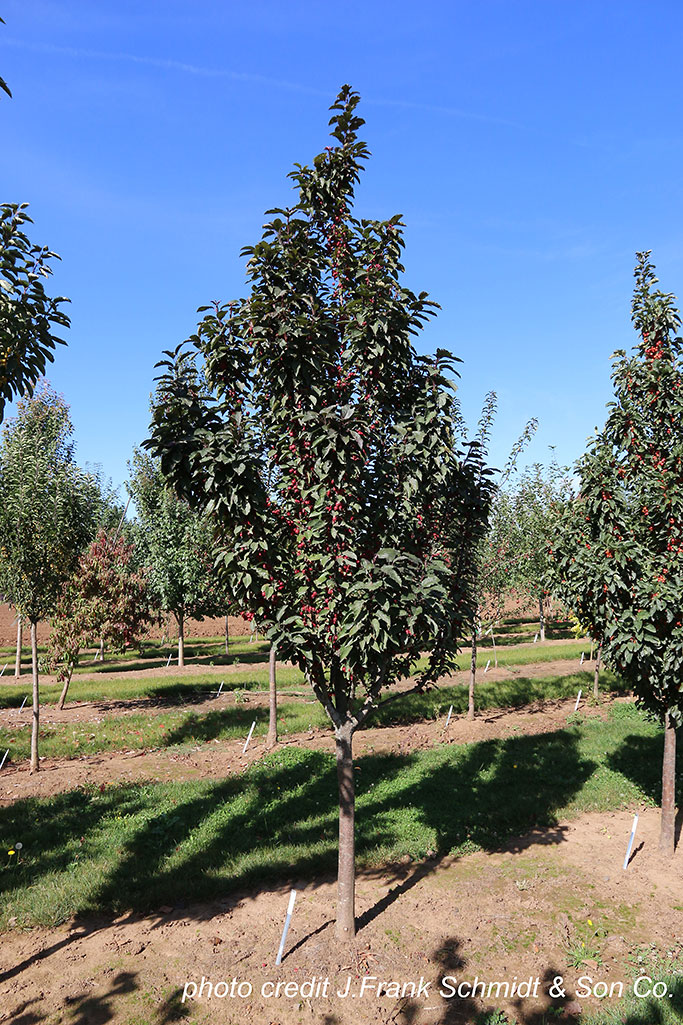
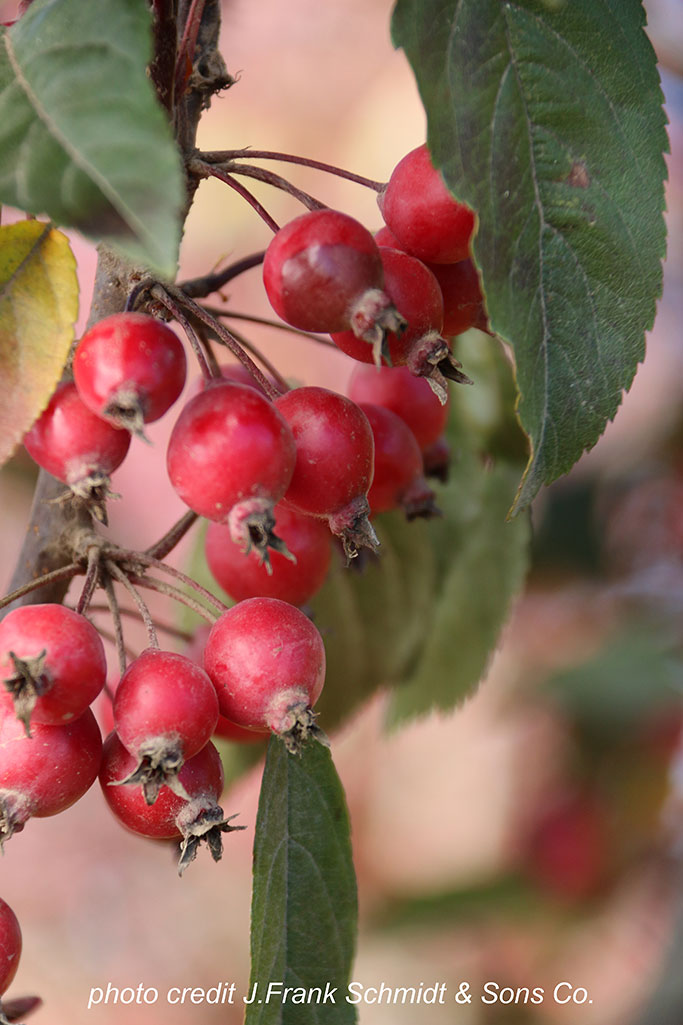
Both of these trees will grow to be 18’ tall and 7’ wide. They are a very narrow and dense form of crab apples and highly disease resistant. The Ivory Spear® has pink buds that open to white flowers, dark green leaves and bright cherry red fruit. The Raspberry Spear® has magenta pink flowers, dark purple leaves, and deep red fruit. They both will thrive in full sun.

Ivory Spear®

Ivory Spear® Fruit

Ivory Spear® Flower

Raspberry Spear®

Raspberry Spear® Fruit

Raspberry Spear® Flower


Cornus Stellar Pink® Dogwood (Cornus x 'Rutgan') 

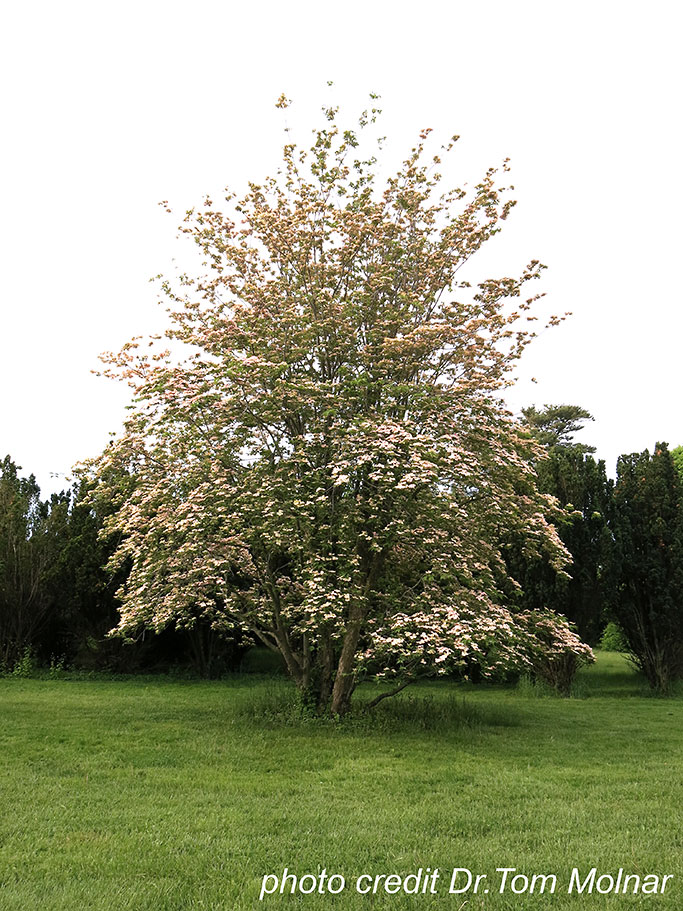
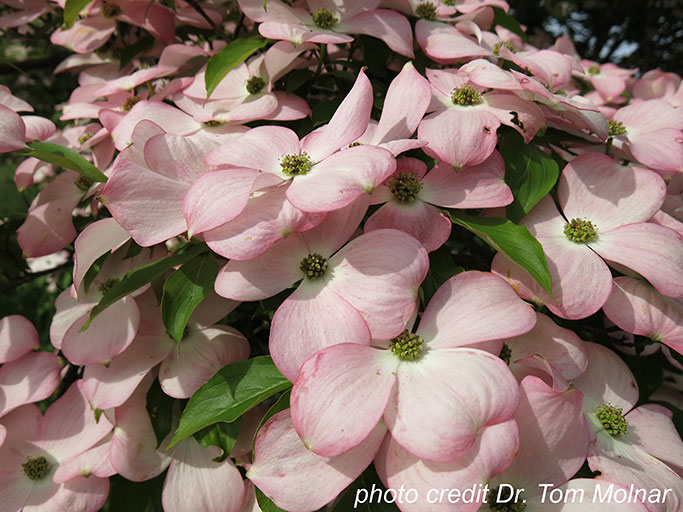
The Stellar Pink® Dogwood will grow to be 20’ tall and wide. It has pink flowers that are just slightly lighter than the Rubra Dogwood, making it a great subtitle. Stellar Pink® has green foliage that changes to a bright red in the fall.  While Stellar Pink® isn't new to Christensen's, we will only have the clump variety this year, in an 8’-10’ range.

This is a small highlight of what's new at Christensen's this season. Stop by for a look at all on offer.


Tune in next week to see the selection of new shrubs.

Tagging Trees

Every year, Christensen's plant buyers make an effort to visit our vendor nurseries. We do this to see their material, hear how they are doing, and build relationships. In September and October, we add one more thing to the agenda: tagging trees for the fall and spring dig seasons!

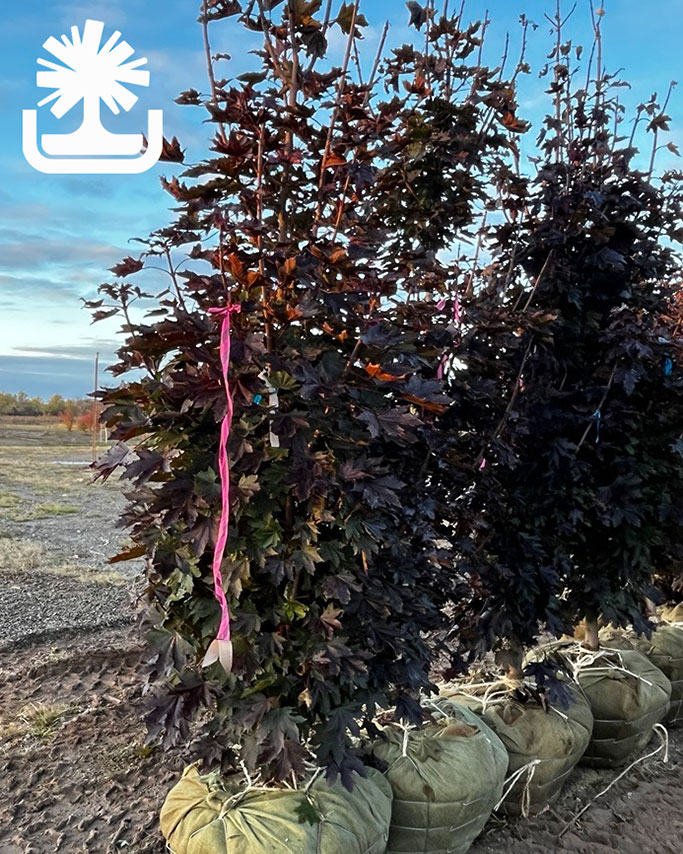
On these trips, we tag trees such as Tricolor Beech, Weeping Alaskan Cedar, Crimson Sentry Maple, and much more. Note the pink and black ribbon in the picture. It indicates that a Christensen's buyer has placed a hold on that tree.

There is a good chance that if you see a specimen tree at Christensen's, we hand-picked it! We also tag larger sizes of the usual stock trees, such as Arborvitae, because they are harder to find.

Once tagged, some will be dug and shipped to us in the fall. But many don't arrive in our yard until spring.

Christensen's goal is to supply our customers with the best material possible. This means trees that are full, have good branching, and that are true to form for the species. The long hours we put into hand picking these trees is well worth it in the end. Because when the trees get to the plant center, we get to see our tags become your tags!

Fall at the Nursery

Who can be thinking about fall when temps remain in the 70s and 80s?  

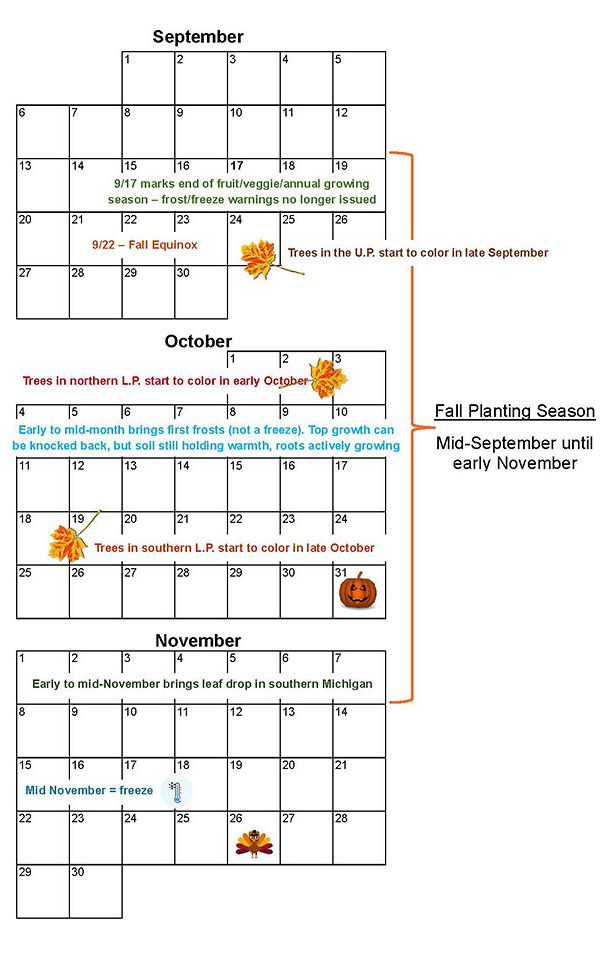
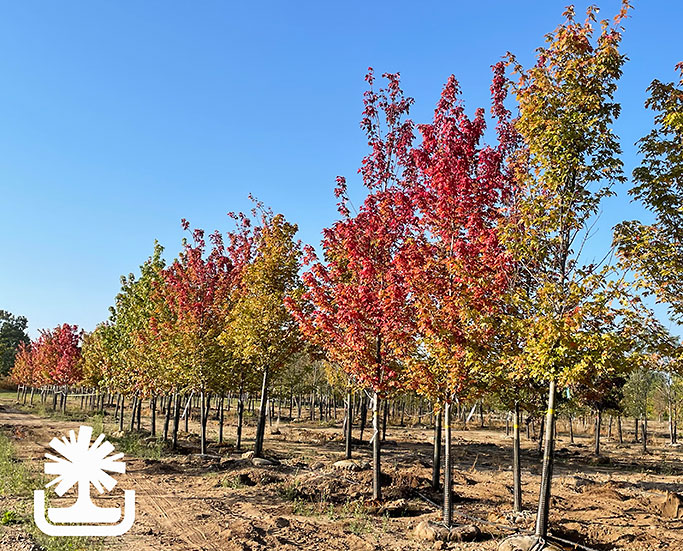
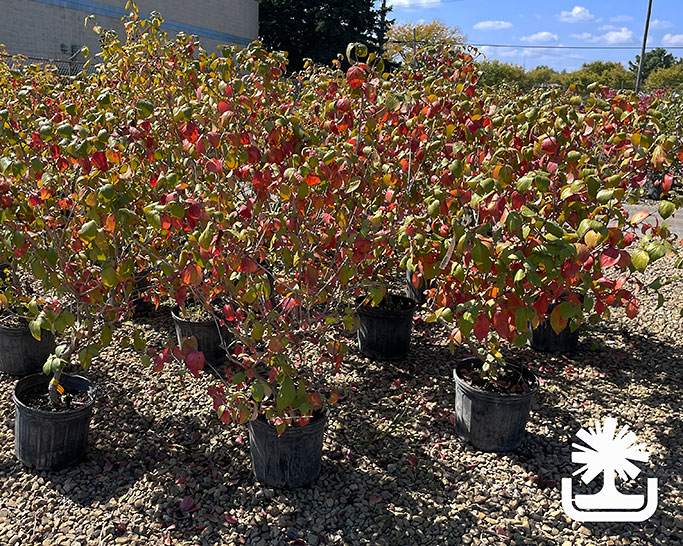
Even with summer weather hanging on, there are plenty of signs of fall at Christensen's. Trees in the field and some plants in the shrub blocks have been putting on a show recently, turning on their fall colors. Soon, they’ll be dropping their leaves, and we’ll be selling you structure. 

Why do plants turn so much earlier at the nursery than those “in the wild”? It’s because they are not properly planted. Without the resources from the ground, plants must begin conserving energy sooner to prepare for winter.

Autumn is a time when the plants are adjusting to cooler weather. Many perennials and shrubs are starting to enter their dormant stage for winter.  As we get deeper into fall, material such as grass and perennials is cut back. We promise, there is a plant in that pot of dirt labeled “Hosta”.

Even while existing inventory is preparing for fall, fresh products are still arriving. We are excited for fall trees to start arriving in a few more weeks! They should have leaves when they arrive. We expect to ship:

  • Amelanchier (service berry)
  • Most Malus
  • Linden (Little Leaf)
  • Ginkgos
  • Pear
  • Maples such as Crimson King, Crimson Sunset and Autumn Blaze

Wishing you all a Happy Fall season!

Mixed Load Deliveries

Smarter Deliveries, Smoother Jobs

In landscaping, timing and coordination are everything. One late pallet can throw off your crew and cost you money. That’s why Christensen’s Plant and Hardscape Centers stocks plants, hardscape, drainage, and lighting—and can deliver them together!

Mixed loads save headaches:

  • One ETA, one invoice, one vendor
  • Less downtime waiting on material
  • Allows more time for plant placement, leading to “upsell” opportunities.

Our shipping team makes sure plants stay protected, hardscape stays tight, and moisture-sensitive products are packed where they’ll stay dry.

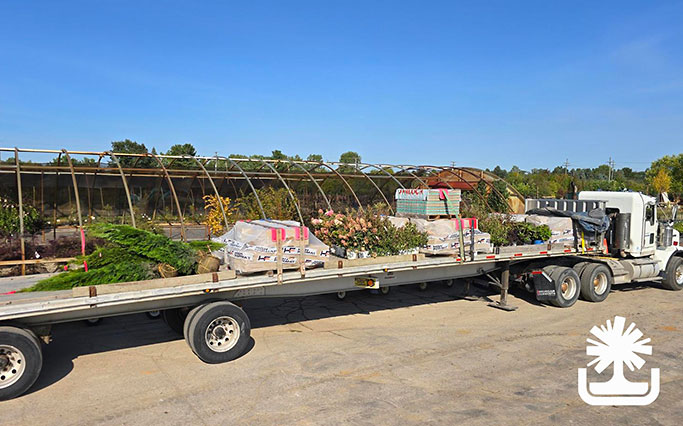
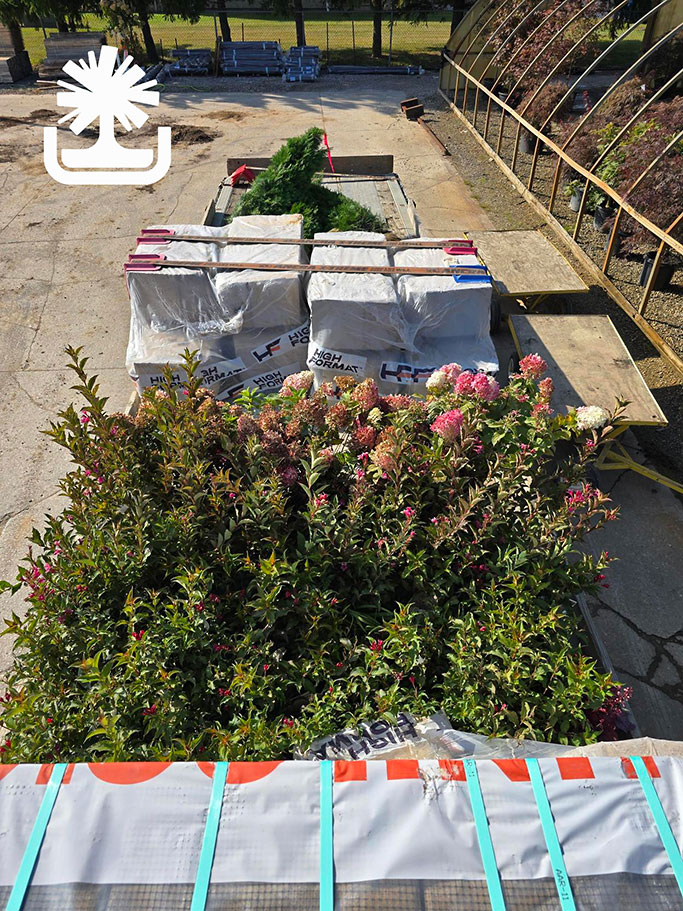
Pictured here is the flatbed trailer. Once the material is safely loaded, the Shipping Department carefully tarps before leaving the yard.

Christensen's Shipping Department has several types of trailers, perfect for mixed loads.

Pictured here is the Conestoga, along with "Driver Dave", loading a box of drain supplies.

Tips to help deliveries, and your jobsites, run smoothly

  • Store plants in a water-accessible area, with shade if possible.
  • Store adhesives and polymeric sand in a dry area, such as inside a truck or trailer.
  • Stage materials in the order your crew will install them, moving items as few times as possible.

Your partner in sourcing premium materials

When a contractor designs projects mindful of the materials stocked at Christensen’s, it prevents delays and simplifies reorders. This, in turn, improves consistency and keeps projects moving. It also adds the potential of a single delivery.

At the end of the day, single-source purchasing isn’t just convenient, it’s strategic. Let Christensen’s Plant and Hardscape Centers manage the logistics, so your crew can focus on creating landscapes that impress.

Designing with Natives

White Pine, Iris versicolor, Prairie Dropseed, and American Beech in Southern Lower Michigan

When designing landscapes in Southern Lower Michigan (West Central/East Central/Southwest/Southeast), native plants offer unmatched ecological benefits and timeless beauty. Four species in particular—White Pine, Iris versicolor, Prairie Dropseed, and American Beech—stand out for their versatility, habitat value, and ability to root designs firmly in place. Each of these plants is native to the region, making them both resilient and ecologically significant.

The Eastern White Pine (Pinus strobus), Michigan’s state tree, is a towering symbol of strength and heritage. Historically, it was prized for lumber, shaping much of the state’s economic development. In landscapes, its tall, soft-needled form provides year-round structure and shade. White Pines are excellent for screening, windbreaks, or as specimen trees in large open areas. Their adaptability to sandy soil and cool Michigan winters makes them a low-maintenance choice for long-term plantings.

Thriving along wetlands, pond edges, and moist soils, the Blue Flag Iris (Iris versicolor) is a native perennial with vibrant purple-blue blooms in late spring to early summer. Beyond its beauty, it provides nectar for native pollinators and functions as a natural water filter, stabilizing soil along shorelines. For designed landscapes, Iris versicolor adds color and seasonal interest, particularly in rain gardens or bioswales where water management is key.

The fine-textured, clumping grass of Prairie Dropseed (Sporobolus heterolepsis) is one of the most graceful prairie species native to Southern Michigan. Its fountain-like foliage turns golden in fall, releasing a subtle, coriander-like fragrance as seeds mature. Prairie Dropseed is ideal for mass plantings, borders, and sustainable lawn alternatives. Deep root systems make it drought-tolerant and excellent for soil stabilization. Additionally, its seeds feed small birds, while its foliage provides shelter for insects and ground-nesting wildlife.

The American Beech (Fagus grandiflora) adds an elegant, long-lived presence to woodlands and landscapes. Known for its smooth, gray bark and glossy, serrated leaves that turn golden-bronze in fall, it provides year-round interest. In natural ecosystems, Beech nuts are an important food source for birds, squirrels, and other wildlife. While it thrives in rich, well-drained soil, it is slower growing, making it best suited for parks, large gardens, or naturalized woodland plantings.

Why Do Natives Matter?

These four species together represent the ecological and aesthetic diversity of Southern Lower Michigan. From the towering canopy of White Pine and Beech to the ground-level beauty of Iris and Prairie Dropseed, they illustrate how layered plantings create resilient, dynamic landscapes. Using native plants supports pollinators, improves soil health, conserves water, and connects landscapes to Michigan’s natural heritage.

For landscapers and homeowners alike, designing with natives like these ensures that plantings not only look beautiful, but also function as part of a larger, living system. By choosing White Pine, Iris versicolor, Prairie Dropseed, or American Beech, we help preserve the unique ecological identity of Southern Lower Michigan—one thoughtful planting at a time.

Information for this article was obtained from the following website: www.canr.msu.edu/nativeplants/plant_facts/local_info/south_lower_peninsula

New(ish) Trees at Christensen’s

Every year, there are new-to-us tree varieties that show up at Christensen’s. I wanted to take a moment and tell you about three that have shown up in the past year or so.

First, we have two new varieties of Redbud: ‘Flame Thrower’® and ‘Black Pearl’™.

‘Flame Thrower’® Redbud has some very unique foliage and color.  In the spring, when it starts to leaf out, the leaves are a burgundy red color. During the season, the leaves will start to change to copper, orange, and yellow and finally finish off a bright green, creating the appearance of a multi-colored tree all year long.  Along with the beautiful foliage, Flame Throwers will have the nice, purple, spring flowers redbuds are known for.  The full-grown height and shape of the tree is 15’ to 20’ tall and wide.

In the spring, when leaves appear on the ‘Black Pearl’™ Redbud they are a dark, glossy, purple, making them appear almost black, hence the name Black Pearl.  They also have nice, lavender-pink flowers in the spring.  This tree grows a little bigger than the ‘Flame Thrower’, maturing at around 15’-20’ tall and 20’-25’ wide.

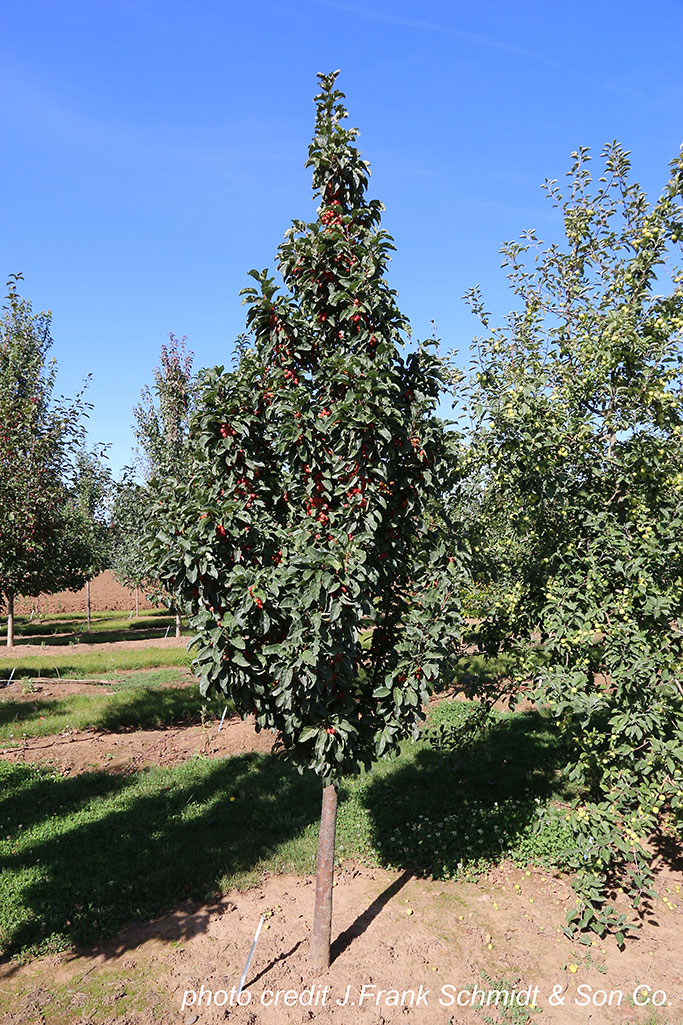
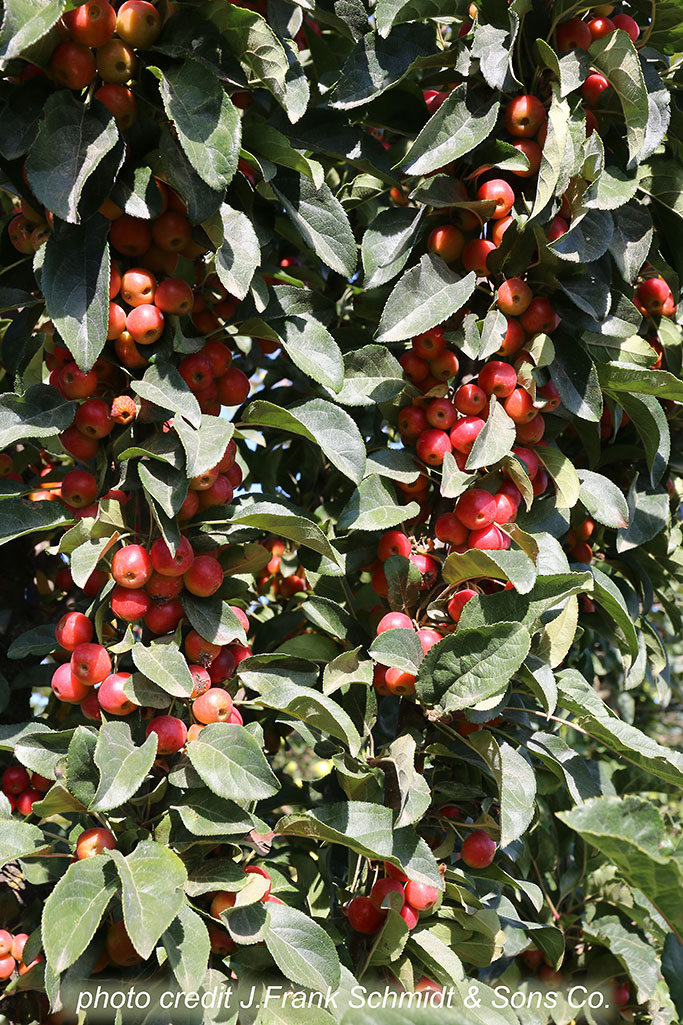
The last tree to highlight is the First Editions® ‘Gladiator’™ Crabapple.  This is one of those trees that has been around since the mid-2000s but is new to Christensen’s. The ‘Gladiator’ is a narrow, oval-shaped crab (as you can see from the yard picture), with a mature height of 20’ and a width of 10’. Foliage is a bronze purple with bright, pink flowers in the spring. Since we're closer to fall than spring, we've included a sample of the pinks you'll see from the flowers. The 3/8” fruit is a reddish purple. The known benefits of the ‘Gladiator’ are listed as being excellent against scab, fire blight, cedar apple rust, and mildew.

I hope that I have helped broaden your knowledge of a few new(ish) trees available from Christensen’s for use in your next project.

The Underappreciated Beauty of Yellowwood

In the world of landscape design, familiar favorites like maple, oak, and elm often dominate shade tree selections. However, one elegant native species remains consistently underused despite offering exceptional aesthetics, seasonal interest, and versatility: the yellowwood (Cladrastis kentukea). For landscape professionals seeking to diversify their plant palettes, while adding beauty and function, the yellowwood deserves a second look.

Yellowwood is a medium-sized deciduous tree, native to the southeastern United States, yet hardy in zones 4 to 8. It typically reaches 30 to 50 feet in height with a rounded crown that provides graceful, dappled shade. The name “yellowwood” comes from the tree’s inner heartwood, which is a rich yellow color, visible when the wood is cut.
Despite its many benefits, yellowwood remains curiously underutilized in both residential and commercial landscapes. This may be due to its relatively slow growth when young, or alack of awareness among nurseries and clients. Yet for landscapers willing to look beyond the usual suspects, yellowwood offers unique traits that can elevate any planting design.
Perhaps the most show-stopping feature of yellowwood is its late spring to early summer bloom. Every few years (typically every 2–3), mature trees produce breathtaking panicles of fragrant, wisteria-like white flowers that cascade up to 12–15 inches in length. The floral display rivals that of many ornamental trees, making yellowwood a seasonal focal point when in bloom.

While not guaranteed to flower heavily every year, the rarity and abundance of its blossoms when they do appear add a delightful element of surprise—perfect for clients who appreciate plants with character and a story.

Yellowwood offers multiple design and ecological benefits that make it an ideal candidate for a variety of landscape settings:

  • Shade Tree Excellence: With a broad, rounded canopy and dense foliage, yellowwood provides excellent shade without the excessive size or messiness of some larger species. It’s ideal for patios, sidewalks, or lawn settings.
  • Low Maintenance: Once established, yellowwood is relatively pest-resistant, drought-tolerant, and requires minimal pruning. It maintains a tidy form and has attractive smooth, gray bark that adds winter interest.
  • Urban Friendly: Its non-aggressive root system and moderate size make it a good choice for urban or suburban environments, including street tree applications and compact yards.
  • Pollinator Friendly: Its flowers are attractive to bees and other pollinators, supporting local biodiversity.

Yellowwood performs best in full sun with well-drained soil and benefits from some protection from strong winds due to its softer wood. It has a naturally vase-like to rounded form and can develop a strong central leader if pruned properly when young.

Because flowering can be infrequent, it’s wise to combine yellowwood with consistent bloomers or use it where its graceful form and fine-textured foliage can be appreciated regardless of bloom status.

The yellowwood tree remains one of the most underutilized gems in American landscapes. For landscapers looking to deliver both beauty and function with a native species, Cladrastis kentukea offers a unique blend of elegance, seasonal drama, and practical utility. Whether used as a focal point or integrated into a broader shade canopy, yellowwood can bring both character and cooling relief to your next landscape design.