I love spring! The trees foliating and flowers blooming, the smell of fresh air in the house, planting the garden, and, of course, the boat rides. Last spring was nice, not hot too soon, no crazy two-foot snowstorms, but we did have a slight amount of extra rainfall. Slight being the understatement of the year, as we had over 2 months’ worth of rain in about a week! So, for a while last year I lived on 2 lakes, one my boat was on and the other in my back yard! Detroit and some neighboring cities were hit especially hard. A combination of old or faulty equipment, the inability of the infrastructure to process that amount of water, and I’m sure some design flaws and errors along the way.
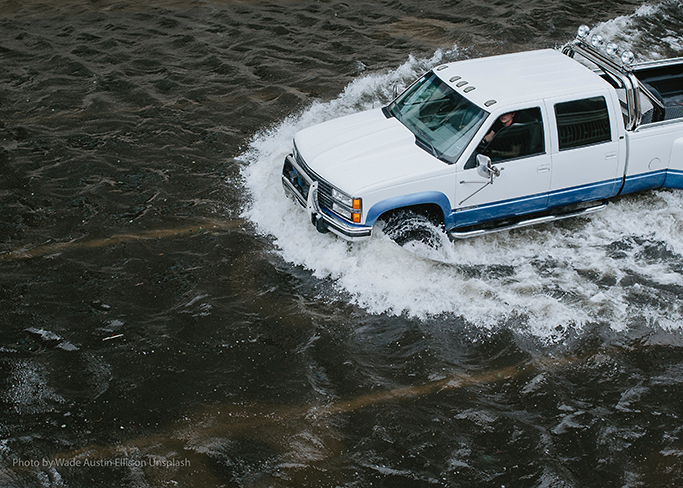
Water is the most destructive force on the planet, and it doesn’t take much of it to do a whole lot of damage. Climate changes have been producing some of the most intense and destructive weather that we have ever seen, and there is no sign of this pattern changing. What once worked before may be inadequate for today’s needs. As many municipalities change their designs on the processing and reclamation of storm and runoff water, should you also change your designs on the landscaping end?
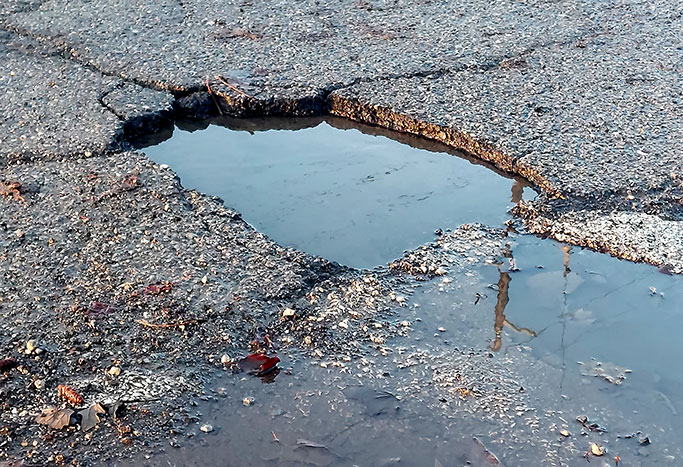
Unfortunately, we suffer every year from the effects of our freeze thaw cycle. The water underneath thaws and refreezes so many times that it creates voids by pushing everything around it away. When it thaws, those voids get refilled yet with more water and the process restarts. The problem is that the water has nowhere to go. You can’t stop the expansion, but you can give it a path to follow. One of the newer trends has been the use of clean fill aggregate as a base for driveways, patios, and even roads.
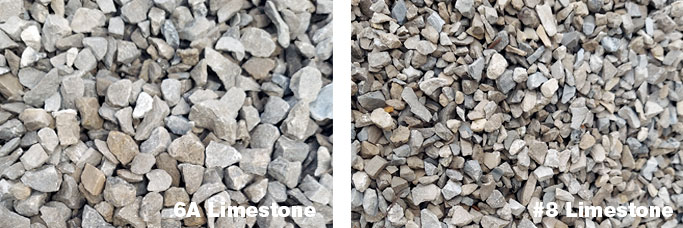
The biggest differences between the clean aggregates and the traditional is the removal of the finer particulates and a more consistently sized stone. The lack of the finer particulates does not take away from the strength and stability of the base, but it allows for water expansion without exerting outward pressure in a confined area. This also allows for excellent drainage, so no more puddles or ponds. Many municipalities have incorporated this type of base because of how effective it is in reducing icing and refreezing since the water drains as soon as it has thawed. And the best part is you do not have to use a permeable style paver to obtain the benefits of a permeable base. The cost to change from traditional to permeable is negligible, the installation is slightly different but easy to follow.
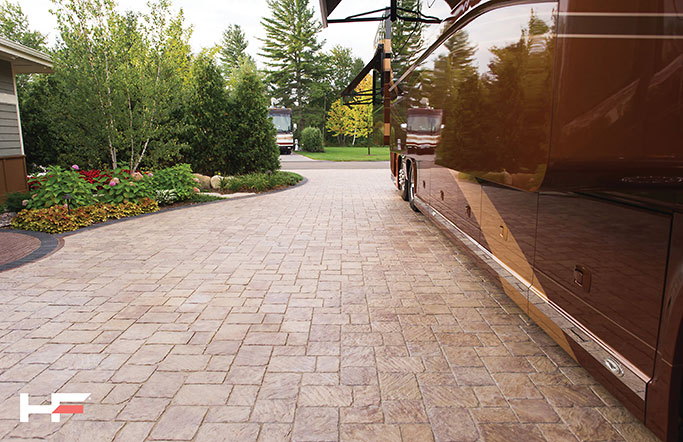
As great as this sounds, there are of course a few draw backs. Firstly, is finding the material. Permeable pavers and permeable materials are slowly becoming more popular, but you may find certain areas more challenging than others to find the supplies you need. You will have to retrain your crew for a new installation process which is not hard, but change can always be a challenge. Lastly, this base requires maintenance. If you think of the base as a sponge, when the top is covered and clogged it no longer absorbs as well. Depending on the area, the amount of traffic, and surrounding landscape, this may need some frequent attention or very minimal maintenance. So, keep in mind that a permeable based driveway might not be the best choice if you live off a dirt road. But if your sunny backyard patio is always underwater after a good rain, that might be helpful choice.
At Christensen’s Plant and Hardscape Centers, we stock a huge assortment of drainage components from companies like NDS. We also stock the clean aggregates for the Hardscapers out there, too. Stop in and see what we can help solve for you. I promise you; it will not put a drain on us!